Understanding the Basics of Scissor Lift
What is a Scissor Lift?
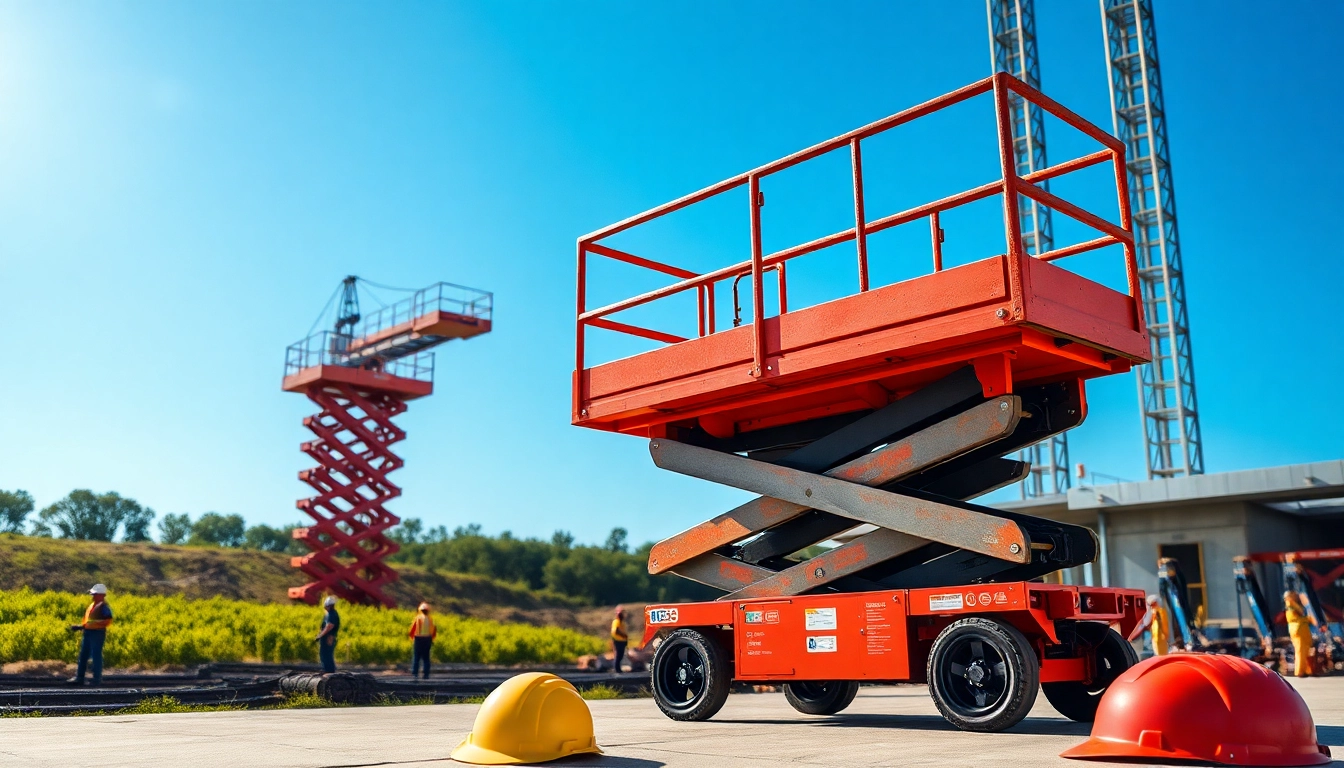
A scissor lift is a versatile piece of equipment widely used in construction and maintenance projects. It features a platform that moves vertically, supported by a crisscross mechanism resembling scissors, which allows for extensive reach at various heights. This mobile scaffold is particularly effective for tasks that require elevated workspaces, such as installing lights, repairing roofs, or performing maintenance on tall machinery. Different models cater to indoor and outdoor applications, making scissor lifts suitable for a range of environments.
How Scissor Lifts Work
The operation of a scissor lift is relatively straightforward, primarily relying on hydraulic or electric systems to raise and lower the platform. The mechanism involves four arms that move in a scissor-like motion, allowing for a compact design that expands vertically. Users can control the lift's elevation and position precisely, which enhances both safety and productivity. Understanding these operation principles is crucial for maximizing the lift's potential and ensuring a smooth workflow during projects.
Common Types of Scissor Lifts
Scissor lifts come in several varieties catering to specific needs and environments:
- Electric Scissor Lifts: Best for indoor use due to their quiet operation and low emissions, these lifts are ideal for warehouses and building maintenance.
- Rough Terrain Scissor Lifts: These are designed with rugged tires and enhanced stability, making them suitable for outdoor sites with uneven surfaces.
- Hydraulic Scissor Lifts: Utilizing hydraulic pressure to operate, these are commonly found in heavy-duty applications requiring substantial lifting capacity.
- Compact Scissor Lifts: These smaller models offer enhanced maneuverability in tight spaces, perfect for urban construction projects or indoor settings.
Benefits of Using Scissor Lift
Increased Safety and Accessibility
Utilizing a scissor lift significantly enhances worker safety compared to ladders or scaffolding. These lifts are equipped with guardrails, non-slip platforms, and emergency stop features that minimize the risk of falls. Because scissor lifts provide stable access to heights, workers can perform tasks comfortably, reducing the chance of accidents. This reliability supports more extensive operations, knowing that safety measures are effectively in place.
Enhanced Efficiency in Project Execution
Scissor lifts expedite project timelines by allowing multiple workers to operate simultaneously at a higher elevation. The stability provided by these lifts enables workers to focus on their tasks without the need for constant adjustments that traditional methods require. This collective efficiency leads to significant time savings, pushing projects toward timely completion while maintaining high-quality outcomes. Additionally, specialized lifts are designed to move through tight spaces, further enhancing workflow efficiency.
Cost-Effectiveness Over Alternatives
In the long run, using a scissor lift can be more cost-effective than renting scaffolding or other alternatives. Their durability reduces maintenance costs, and the speed at which tasks can be completed translates into lower labor expenses. Businesses often see a return on investment when reliable equipment is paired with effective project management. Moreover, the flexibility of renting a scissor lift allows for budget-friendly solutions tailored to specific project needs.
Choosing the Right Scissor Lift for Your Needs
Assessing Project Requirements
Choosing the correct scissor lift begins with a thorough assessment of project needs. Consider factors such as height requirements, load capacities, and the nature of the worksite. For instance, projects involving heavy materials or multiple workers will require models with higher weight capacities. Additionally, evaluating the workspace layout—such as the availability of power sources—can inform decisions on whether to select an electric or hydraulic model. Tailoring your equipment to your needs is crucial to achieving the desired results safely and efficiently.
Evaluating Lift Height and Capacity
Scissor lifts typically range in height from 10 to 70 feet, with varying load capacities that can affect the choice of lift for specific jobs. Understanding the required lift height helps ensure that selected models can accommodate necessary work levels without compromising safety standards. Load capacity is equally critical; determine if your project will require heavy lifting or just personnel transport. Accurate evaluations here lead to informed decisions that prevent project delays and related costs.
Selecting Between Electric and Rough Terrain Models
The decision between electric and rough terrain scissor lifts hinges upon intended usage. Electric models are better suited for indoor settings, offering quiet operation and zero emissions, while rough terrain lifts are equipped to handle outdoor conditions. If your project involves varied terrain, consider a rough terrain lift to guarantee stability and performance. Addressing environmental factors early can significantly enhance project success.
Scissor Lift Safety Guidelines
Essential Safety Gear and Training
Maintaining a focus on safety is critical when operating a scissor lift. Workers should be equipped with the proper safety gear, including helmets, non-slip footwear, and harnesses where necessary. Additionally, thorough training on operational procedures and safety protocols is crucial for preventing accidents. Familiarity with equipment controls and understanding safety measures forms the backbone of a safe working environment.
Best Practices for Operating Scissor Lifts
Operational practices play a significant role in scissor lift safety. Regular inspections are essential before each use, ensuring that all components function optimally. Furthermore, operators should maintain stable footing and avoid overreaching, which could destabilize the lift. Establishing clear communication among team members can also improve overall safety, as it allows for quick actions in unforeseen situations.
Emergency Protocols and Procedures
Every work site should have established protocols in the event of an emergency. Operators must familiarize themselves with emergency procedures, including the use of emergency shut-off switches and safe descent techniques in case of power failure. Training drills and awareness campaigns can prepare staff for quick and effective responses, reducing panic and ensuring safety during actual emergencies.
Frequently Asked Questions about Scissor Lift
What is the typical height range of scissor lifts?
Scissor lifts typically range from 10 to 70 feet in maximum height, depending on the model chosen for the task.
Can scissor lifts be used outdoors?
Yes, certain models, particularly rough terrain scissor lifts, are specifically designed for outdoor use and can navigate uneven surfaces.
How do I maintain a scissor lift?
Maintaining a scissor lift includes regular inspections, cleaning the platform, checking hydraulic fluids, and ensuring all mechanical parts are in working condition.
What safety certifications should scissor lifts have?
Scissor lifts should have certifications in accordance with ANSI and OSHA standards, ensuring compliance with safety regulations for operation.
Are there age restrictions for operating a scissor lift?
Yes, operators must be at least 18 years old to operate a scissor lift, following safety regulations and training requirements.
For various projects that require lifting and height accessibility, understanding how to utilize a scissor lift efficiently can significantly enhance productivity, safety, and overall project success.