Understanding Integrated Modular Systems
Integrated Modular Systems represent a transformative approach to addressing complex challenges in various industries, particularly in water treatment. These systems combine multiple functional units into cohesive frameworks, allowing for enhanced operational efficiency, adaptability, and scalability. As businesses look for effective solutions to streamline processes and manage resources more sustainably, the adoption of Integrated Modular Systems has gained significant traction.
What Are Integrated Modular Systems?
Integrated Modular Systems (IMS) are designed to facilitate the management of various components within a unified framework, often enhancing the performance and effectiveness of operations. These systems typically consist of pre-engineered modules that can be assembled, modified, or expanded as needed. This approach is particularly beneficial in industries where flexibility and rapid deployment are critical, such as water treatment, construction, and healthcare.
Key Components of Modular Systems
At the heart of Integrated Modular Systems are several key components that work together to optimize performance:
- Modular Units: Individual modules can be tailored to specific requirements, allowing for customized solutions.
- Control Systems: Advanced monitoring and control systems ensure efficient operation and management of modular setups.
- Integration Technology: Seamless integration with existing infrastructure enhances the overall effectiveness of operations.
- Scalability: Modules can be added or removed easily, accommodating changes in demand or capacity.
The Role of Technology in Modular Solutions
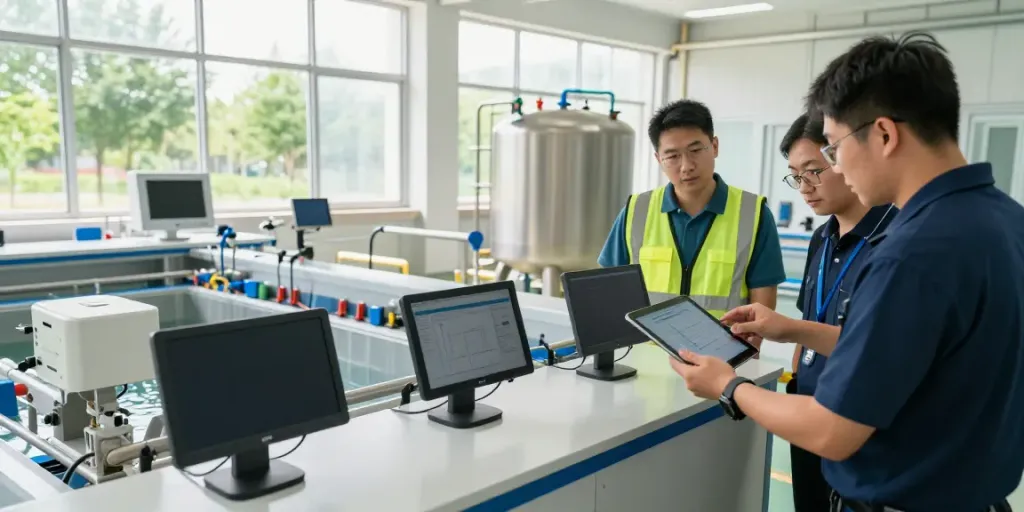
Innovation plays a critical role in the evolution of Integrated Modular Systems. Technological advancements, particularly in automation and data analytics, empower organizations to gather insights and optimize their operations. For example, smart sensors can monitor water quality in real-time, enabling proactive measures and efficient management of resources.
Benefits of QILEE's Integrated Modular Systems
Efficiency and Performance
QILEE’s Integrated Modular Systems are designed to enhance efficiency and performance across various applications. By integrating multiple treatment processes into a single operational system, users can achieve better outcomes with fewer resources. This efficiency translates to reduced operational costs and minimized environmental impact, making these systems an attractive choice for organizations facing growing sustainability demands.
Cost-Effectiveness in Water Treatment
When it comes to water treatment, cost-effectiveness is paramount. QILEE’s systems are engineered not only to perform effectively but also to minimize operational expenses. The modular nature allows for tailored solutions, reducing the need for extensive infrastructure investments. With the ability to scale as needed, clients can avoid unnecessary expenditures while ensuring efficient treatment processes.
Environmental Sustainability Practices
Integrated Modular Systems are inherently designed with sustainability in mind. By optimizing water treatment and reducing waste, these systems align with global environmental goals. QILEE’s offerings include solutions that integrate advanced chemical treatment options alongside efficient sludge dewatering systems, contributing to more sustainable wastewater management practices.
Applications of Integrated Modular Systems
Industrial Water Treatment
In industrial settings, the need for effective water treatment is crucial. QILEE's integrated solutions cater specifically to industries such as pharmaceuticals, food and beverage, and manufacturing, where stringent water quality standards must be met. The modular approach allows for flexibility in adapting treatment processes to meet the unique needs of various industrial applications.
Municipal Wastewater Management
Municipalities face increasing challenges in managing wastewater due to rising populations and stricter regulations. QILEE’s integrated systems provide cities with the tools necessary to treat wastewater efficiently, ensuring compliance with environmental standards while minimizing resource consumption. With proven performance in large-scale municipal applications, these systems can significantly enhance public health and safety.
Agricultural Water Solutions
Agriculture is another critical area where Integrated Modular Systems have demonstrated their value. From irrigation to processing, effective water management is key to increasing crop yields and ensuring food security. QILEE provides modular solutions designed to address agricultural water challenges, including nutrient management and sustainable irrigation practices that promote the health of both crops and ecosystems.
Challenges in Implementing Modular Systems
Common Misconceptions Explained
Despite their advantages, Integrated Modular Systems are often subject to misconceptions. Some businesses may view modular systems as costly investments or lack confidence in their reliability. However, understanding the long-term benefits, such as reduced operational costs and improved adaptability, can help organizations appreciate the true value of these systems.
Regulatory and Compliance Issues
Implementing Integrated Modular Systems can also present regulatory challenges. Organizations must navigate various compliance standards, which can vary significantly by region and application. It is essential to stay informed about regulations affecting water treatment to ensure that modular solutions not only meet operational needs but also comply with legal requirements.
Technical Barriers to Adoption
Technical barriers can hinder the adoption of Integrated Modular Systems. These may include legacy infrastructure that is not compatible with modern modular solutions, or a lack of expertise in managing new technologies. Overcoming these barriers often requires investment in training and development, as well as collaboration with technology providers like QILEE to ensure a seamless transition.
Future Trends in Integrated Modular Systems
Innovations Shaping the Industry
The future of Integrated Modular Systems is being shaped by ongoing innovations in technology and engineering. Developments in artificial intelligence, IoT, and smart technologies are likely to enhance the automation and remote management of these systems, allowing for even greater efficiency and user control.
Predictions for 2026 and Beyond
Looking towards 2026, experts predict that the demand for Integrated Modular Systems will continue to rise, driven by increasing environmental regulations and the need for organizations to demonstrate sustainability. As technology advances, we can expect more sophisticated modular solutions that are easier to implement and more effective in addressing complex water treatment challenges.
Expert Insights from Industry Leaders
Industry leaders emphasize the importance of adopting innovative solutions like Integrated Modular Systems to remain competitive and address the mounting pressures of sustainability. Their insights suggest that organizations should proactively seek partnerships with established manufacturers like QILEE to leverage expertise and optimize water treatment processes.
What is an example of a modular system?
One notable example of a modular system is the DAF (Dissolved Air Flotation) Integrated Treatment System offered by QILEE. This system combines chemical dosing and sludge dewatering capabilities within a compact structure designed for high performance. It effectively treats wastewater containing suspended solids, demonstrating the practical applications of Integrated Modular Systems in real-world settings.
How much does a modular system cost?
The cost of a modular system can vary widely based on factors such as size, complexity, and the specific technologies involved. However, organizations can expect that the up-front investment will be offset by long-term savings through reduced operational costs and improved efficiency. A thorough assessment of needs and potential returns on investment is essential when considering a modular system.
What is modular integrated construction?
Modular integrated construction refers to the practice of utilizing pre-fabricated components that are assembled on-site to create a complete structure. This approach not only expedites the construction process but also enhances sustainability by minimizing waste and energy consumption during the building phase. It shares many principles with Integrated Modular Systems in terms of flexibility and efficiency.
What is the difference between modular and integrated design?
The primary difference between modular and integrated design lies in their approach to functionality. Modular design focuses on creating separate units that can act independently, while integrated design emphasizes the interconnectivity of these units within a unified system. Both designs have their merits and can be employed based on the specific requirements of a project.
How can integrated modular systems improve efficiency?
Integrated Modular Systems improve efficiency by allowing for streamlined operations, reduced resource consumption, and enhanced adaptability to changing conditions. By combining multiple functionalities within a single framework, organizations can reduce redundancy, lower operational costs, and improve overall performance in water treatment processes.