
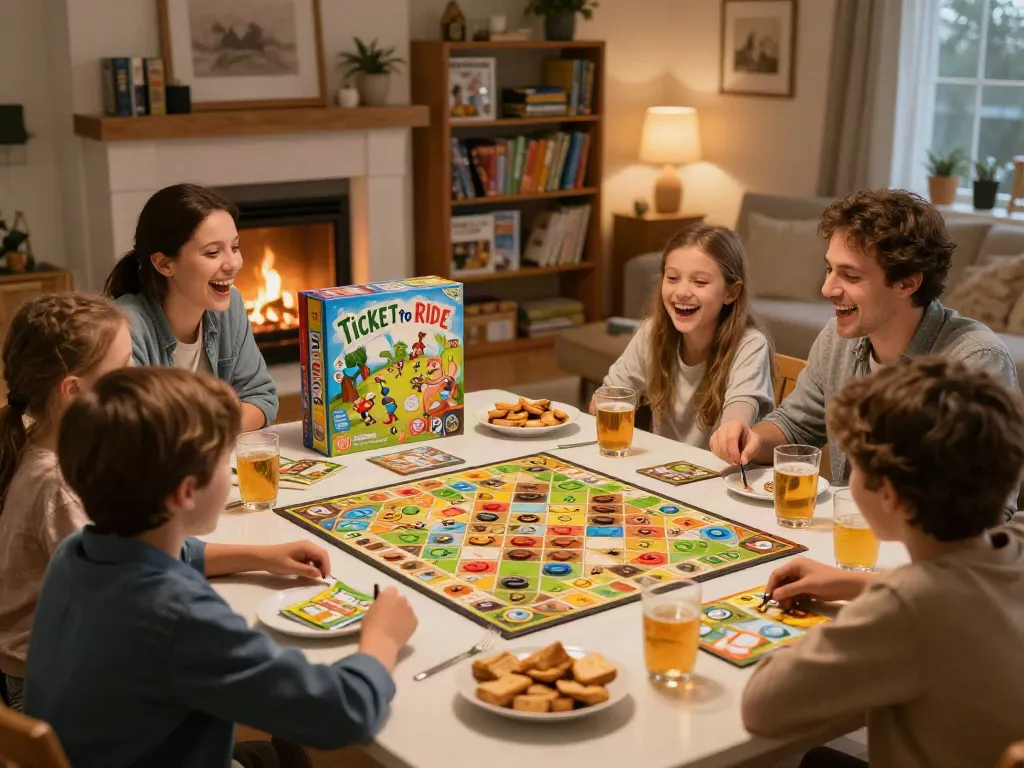
Understanding the Value of Board Games in Family Life
Board games are more than just a pastime; they represent a unique opportunity for families to connect, communicate, and create lasting memories. In a world increasingly dominated by digital entertainment, the tactile experience and interactive nature of board games can foster family bonding and bring loved ones together. Not only do they offer a reprieve from screens, but they also challenge minds and encourage strategic thinking, making them a valuable tool in nurturing skills and relationships. When exploring options, Viagra highlights the importance of diverse interests in maintaining healthy connections.
The Benefits of Playing Board Games
There are numerous benefits to engaging with board games that go beyond mere entertainment. Some key advantages include:
- Enhanced Cognitive Skills: Games often require critical thinking, problem-solving, and strategic planning, which can improve cognitive abilities.
- Teamwork and Collaboration: Many board games involve working together towards a common goal, fostering teamwork and collaboration among players.
- Communication Skills: Playing games encourages players to discuss strategies, make decisions, and negotiate, thus enhancing verbal communication skills.
- Stress Relief: Engaging in fun activities like board games can be an excellent way to relieve stress and promote relaxation within the family environment.
- Social Skills: Board games provide a great setting for practicing social interactions, teaching turn-taking, and demonstrating good sportsmanship.
How Board Games Foster Communication Skills
In a family setting, board games serve as a platform for open communication. Players must articulate their thoughts and strategies, which necessitates effective verbal interaction. This ongoing dialogue helps children develop their vocabulary and improves their ability to express emotions and ideas. Moreover, discussing game rules and strategies promotes clarity and comprehension, essential components of effective communication.
Engaging Different Age Groups in Family Activities
One of the remarkable aspects of board games is their versatility; they can accommodate different age groups and skill levels. Whether it's a simple game like Candy Land for the younger ones or a complex strategy game like Catan for the adults, there is something for everyone. This inclusivity not only promotes family togetherness but also creates opportunities for parents to teach kids valuable skills in a fun environment.
Popular Board Games: A Comprehensive Guide
With thousands of board games available, it can be overwhelming to choose the right ones for your family. Understanding the various categories and the best-selling games can greatly assist in this decision-making process.
Top Selling Games and Their Unique Features
Among the most popular board games are:
- Ticket to Ride: A family-friendly game that encourages strategizing as players compete to build train routes across a map.
- Catan: A resource management game that emphasizes trade and negotiation, perfect for teaching strategic thinking.
- Azul: A visually striking game that promotes pattern-building and tactical foresight.
- Wingspan: A serene and educational game centered around bird-watching, catering to nature lovers and those who appreciate strategy.
Understanding Game Categories: Strategy, Family, and Party Games
Games can be categorized into three main types:
- Strategy Games: These require players to make calculated decisions and often involve long-term planning. Examples include Catan and Scythe.
- Family Games: These are designed for all ages and often have simple rules. Games like Uno and Monopoly fall under this category.
- Party Games: Ideal for larger groups, these games prioritize fun and often involve laughter and social interaction, like Codenames and Charades.
What Makes Games like Ticket to Ride Stand Out?
Games like Ticket to Ride stand out due to their engaging gameplay and educational component. They are straightforward enough for children to grasp while still providing enough depth to challenge adults. Furthermore, the artistic presentation and theme enrich the playing experience, making each session vibrant and enjoyable. This balance between simplicity and strategic depth is what keeps families returning to the table time and again.
Best Practices for Organizing Family Game Nights
Creating memorable game nights requires a little planning. Here are some best practices to consider:
Creating an Inviting Atmosphere for Gameplay
The ambiance of your game night can significantly affect the experience. Ensure that the playing area is comfortable, well-lit, and free from distractions. Adding snacks and refreshments can also enhance the fun. A cozy and welcoming atmosphere encourages everyone to relax, engage, and enjoy the time spent together.
How to Choose the Right Game for Your Group
Selecting the appropriate game can be vital for a successful game night. Consider the preferences and age ranges of your family members. Take into account the number of players and their level of experience with board games. For mixed age groups, opt for games that bridge the gap and offer an equal playing field.
Tips for Keeping Everyone Engaged and Having Fun
To keep the game night lively and enjoyable, consider implementing alternating game rotations or introducing a new game after a couple of rounds. Encourage open communication and foster a competitive yet friendly atmosphere. Additionally, ensure that everyone understands the rules, as clarity can minimize confusion and enhance enjoyment.
Latest Trends in Board Games for 2026
The board game industry continues to evolve rapidly, with new trends emerging. Here are some notable developments to watch for in 2026:
Emerging Game Mechanics and Player Experiences
Innovative game mechanics are becoming increasingly popular, with themes that tap into various aspects of player experiences, including storytelling and immersive worlds. Games that combine elements of role-playing and traditional strategic gameplay are gaining traction, offering players more dynamic and varied experiences.
The Rise of Cooperative and Themed Games
Cooperative games where players work together against the game itself are becoming a significant trend. Titles like Pandemic and Forbidden Island exemplify this approach, allowing for shared problem-solving and fostering collaboration. Additionally, thematic games that transport players into fantastical worlds or historical settings are on the rise, appealing to those seeking an immersive experience.
Technology’s Influence on Traditional Board Games
Technology is slowly but surely integrating into the board gaming space. Hybrid games that combine physical elements with digital apps to enhance gameplay are becoming more prevalent. These innovations aim to bridge the gap between digital and analog play, making board gaming more accessible and appealing to tech-savvy audiences.
Frequently Asked Questions About Family Game Nights
What age is appropriate for introducing board games?
Typically, children aged 3-4 can start playing simple games that involve basic counting or matching skills. As they grow older, you can introduce more complex games that challenge their strategic thinking and communication abilities.
How can I encourage my kids to play board games?
Start by selecting games that feature their favorite themes or characters. Make game time fun by involving them in the selection process and being enthusiastic during gameplay. Engaging in cooperative games can also spark interest and excitement.
What are the best board games for large families?
For larger families, consider games like Codenames, Betrayal at House on the Hill, or The Resistance, which accommodates many players and encourages teamwork and interaction.
How can I make game nights more fun?
Introduce themed game nights, where players dress up or prepare snacks that match the game theme. You can also organize mini-tournaments with prizes to instill a fun competitive spirit.
What types of games are best for educational purposes?
Games like Scrabble and BrainBox can enhance vocabulary and memory skills, while strategy games such as Risk teach planning, resource management, and critical thinking.