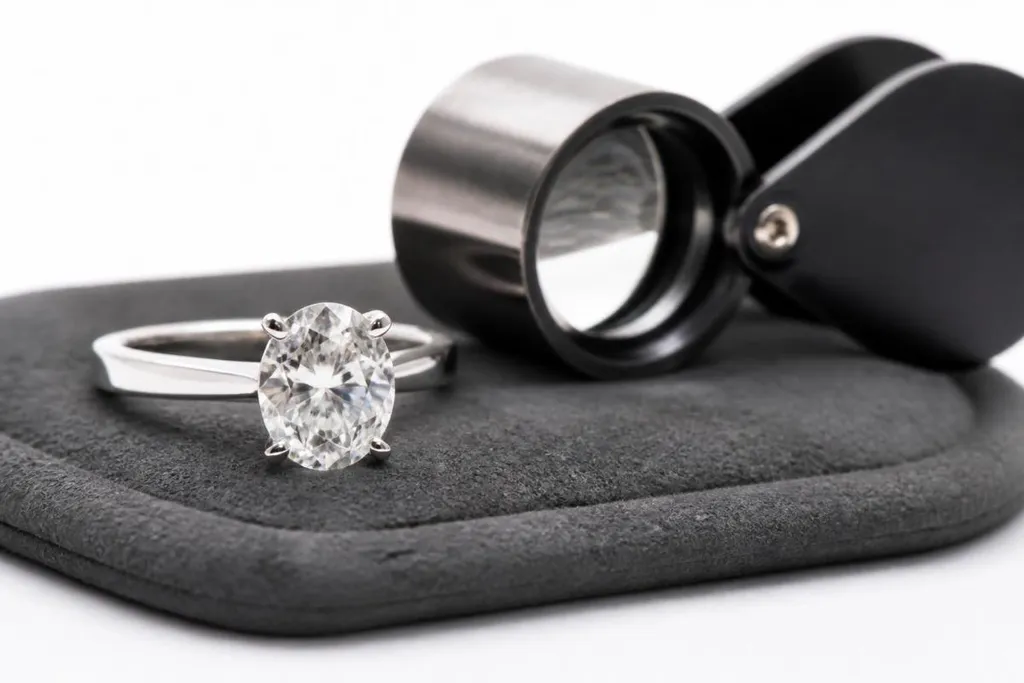
A three-carat engagement ring is naturally commanding. At this scale, the centre stone becomes the defining feature of the design, and even subtle decisions about shape, band width or setting height can have a significant effect on how the ring looks and feels. The challenge is not creating presence; three carats already provides that. The more important task is ensuring that presence remains balanced enough for comfortable, confident everyday wear.
For buyers considering certified 3 carat engagement rings, specifications should be viewed alongside practical design. Certification provides useful information about the centre stone, but carat weight alone cannot describe its visible dimensions, proportions or suitability for a particular hand. A successful three-carat ring brings those elements together rather than simply maximising size.
Shape Becomes More Noticeable at Three Carats
As centre stones increase in size, their individual proportions become easier to see. This makes shape especially important with a three-carat engagement ring.
A round brilliant creates a broad, symmetrical focal point and places strong emphasis on sparkle. Oval stones distribute their weight along a longer outline, creating substantial finger coverage while often appearing less wide than an equivalent round stone. Pear and marquise shapes take that elongating effect further, adding a directional quality to the design.
Emerald and Asscher cuts create a different type of presence. Their step facets and geometric lines are more about structured reflections than rapid scintillation. At three carats, those larger facet patterns can become an important part of the ring's visual identity.
Cushion and radiant cuts sit somewhere between softness and structure, depending on their proportions.
The right shape is therefore not simply whichever appears largest. It is the one whose scale and outline suit the wearer's hand and personal style.
Certification Matters, but Balance the Grades
A grading report provides a structured way to understand and compare three-carat diamonds, including their measurements and key quality characteristics.
At this size, clarity deserves thoughtful attention because inclusions may be easier to notice in a larger stone. That does not automatically mean choosing the highest available grade. An eye-clean diamond can provide an excellent visual result without paying a premium for microscopic differences visible only under magnification.
Colour should also be considered alongside shape and setting metal. Some cuts reveal body colour differently, while yellow or rose gold can interact with a diamond's tone differently from platinum or white gold.
Cut and proportions remain fundamental. A three-carat stone with attractive dimensions and strong light performance may look more impressive than another diamond whose specification appears better in one isolated category.
Use the certificate to narrow the options, then assess the diamond as a complete visual object.
Setting Height Is Crucial for Wearability
A three-carat centre stone needs a secure setting, but security should not automatically mean excessive height.
A very elevated setting can make the stone feel even more dramatic, yet it may also catch more frequently on clothing or other objects. Someone who uses their hands extensively may prefer a more streamlined profile that keeps the centre diamond closer to the finger where the design allows.
Claw placement should secure the stone while leaving its outline clearly visible. The setting must also feel visually substantial enough to support a large centre stone.
A solitaire can be particularly elegant at three carats because little additional detail is required. Diamond-set shoulders add brightness across the band, while a halo produces a much larger overall footprint and is better suited to someone deliberately seeking maximum visual impact.
Use Band Width and Metal to Create Proportion
An extremely fine band can make a three-carat diamond appear even larger through contrast. That may be desirable, but visual delicacy should still be balanced against the practical requirements of a ring intended for long-term wear.
A slightly wider band can give a substantial centre stone a more grounded appearance. It may also suit someone who prefers jewellery with a stronger presence across the finger.
Metal changes the character further. Platinum and white gold create a cool, cohesive look around colourless stones. Yellow gold provides clear warmth and contrast, while rose gold can soften the visual impact of a large centre diamond.
Future wedding-band pairing should also be planned early. Gallery shape and setting profile determine whether a straight band will sit closely beside the engagement ring or whether a curved or shaped design is preferable.
Final Thought
Three-carat engagement rings do not need additional complexity to make a statement. Their scale already provides visual impact; the skill lies in controlling it.
Focus on shape, actual dimensions, appropriate quality grades and a setting designed for secure everyday wear. With the right proportions and profile, a three-carat engagement ring can feel undeniably luxurious without becoming impractical making its size part of a considered design rather than its only defining feature.