Understanding Recirculating Cooker Hoods with Carbon Filters
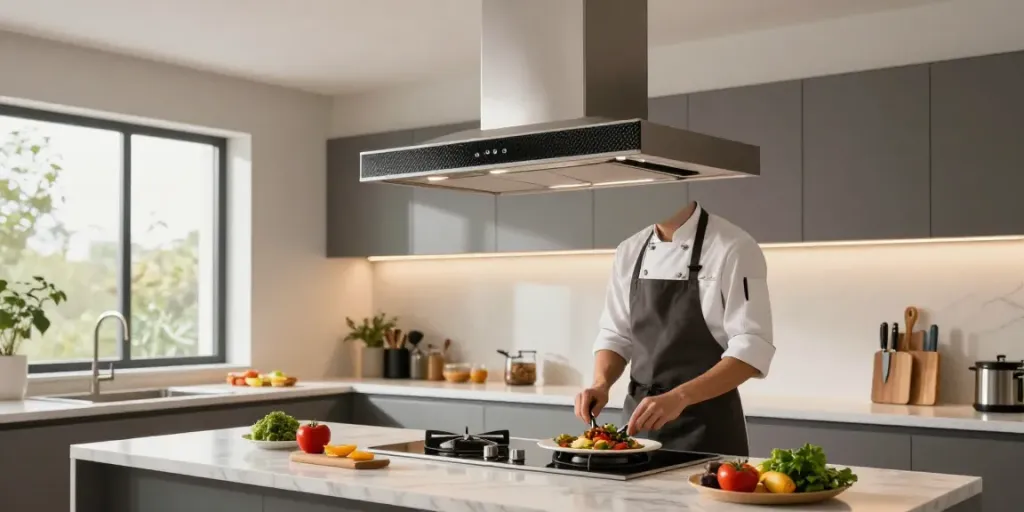
In modern kitchen design, functionality and aesthetics go hand in hand, particularly when it comes to ventilation systems. A recirculating cooker hood with carbon filter serves as a vital component for those lacking external wall access for traditional venting systems. This type of cooker hood not only enhances your cooking experience but also plays a crucial role in maintaining indoor air quality. But how does it work? Let’s dive deeper into what makes these hoods an essential part of your kitchen.
What is a Recirculating Cooker Hood?
A recirculating cooker hood, also known as a ductless hood, is an ideal solution for kitchens without the option for external ducting. Instead of venting air outside, these innovative appliances filter cooking fumes and recirculate the clean air back into the kitchen. This system is especially beneficial in urban settings, such as apartments or smaller homes, where structural changes for venting may not be feasible.
How Do Recirculating Cooker Hoods Work?
At the heart of a recirculating cooker hood are its filtration systems. When cooking, the hood draws in smoke, grease, and odours via a powerful fan. The air first passes through a grease filter, which captures larger particles, before moving through an activated carbon filter. This filter neutralises lingering odours and captures smaller airborne pollutants, ensuring that the air released back into the kitchen is clean and safe.
Here is a quick breakdown of how these systems work:
- Extraction: The hood pulls in air that contains cooking fumes.
- Filtration: The air is filtered through grease and carbon filters to remove impurities.
- Recirculation: The cleaned air is reintroduced into the kitchen.
Benefits of Carbon Filters for Kitchen Air Quality
Carbon filters offer numerous advantages in maintaining a healthier kitchen environment. They are designed to absorb a wide range of odours and pollutants, rendering your cooking space more pleasant. Additionally, while recirculating hoods primarily combat grease and smoke, they also assist in moisture control by filtering out steam and reducing the potential for mould and mildew growth. This makes them a sound choice for households, particularly in humid conditions.
Installation Guide for Recirculating Cooker Hoods
Installing a recirculating cooker hood can seem daunting, but with the right guidance, it’s an achievable task for most homeowners. Below, we will outline the steps you need to take to effectively install your new kitchen appliance.
Preparing Your Kitchen for Installation
Before installation, consider the following:
- Ensure you have all necessary tools: screwdrivers, drill, mounting brackets, and a level.
- Review the installation manual specific to your cooker hood model, which will provide insights tailored to the product you purchased.
- Clear the installation area of any obstacles for easy access.
Step-by-Step Installation Process
The installation process generally follows these steps:
- Choose the Location: Select a suitable spot above your cooking surface, ideally 65-75 cm above for optimal performance.
- Mounting the Hood: Depending on your model (integrated, wall-mounted, or island), attach the mounting bracket to the wall or ceiling as per your manual guidelines.
- Electrical Setup: Connect the hood to the power supply according to the electrical specifications.
- Insert Filters: Ensure that both the grease and carbon filters are correctly placed and secured.
- Test the Hood: Turn on the unit to check for proper operation and airflow.
Common Installation Mistakes to Avoid
To ensure a smooth installation, be wary of the following common mistakes:
- Ignoring the installation height can lead to inefficient airflow.
- Not securing the filters properly may result in poor performance.
- Skimping on electrical checks can lead to safety hazards.
Maintenance Tips for Recirculating Cooker Hoods
Maintaining your recirculating cooker hood is essential for prolonging its life and ensuring consistent performance. Here are some practical maintenance tips:
How Often Should Carbon Filters Be Replaced?
Typically, carbon filters should be replaced every 3 to 6 months, depending on the frequency of usage. If you cook regularly or prepare meals with strong odours, consider changing them more frequently. Always check the manufacturer's instructions for specific guidelines.
Cleaning Grease Filters: Best Practices
Grease filters require regular cleaning to maintain efficiency. These filters can usually be washed in warm, soapy water or placed in a dishwasher. Ensure they are completely dry before reinserting them into your cooker hood.
Signs Your Cooker Hood Needs Immediate Attention
Be on the lookout for these signs indicating that your cooker hood may need repairs or replacement:
- Decrease in suction power.
- Unpleasant odours persisting after use.
- Visible grease build-up on the filters or around the hood.
Choosing the Right Recirculating Cooker Hood for Your Kitchen
When selecting a recirculating cooker hood, it's crucial to consider various factors that will affect both its performance and integration into your kitchen space.
Key Features to Consider When Shopping
Look for the following features in your cooker hood:
- Noise Level: Choose models designed for quieter operation.
- Filter Type: Select hoods with high-quality carbon and grease filters for effective airflow.
- Control Options: Touch controls or remote functionalities can add convenience.
Top Models of Recirculating Cooker Hoods in 2026
As of 2026, some of the top-rated recirculating cooker hoods include:
- Ciarra 52cm Integrated Cooker Hood: A compact design with efficient airflow.
- Ciarra Smart Island Cooker Hood: A stylish centerpiece ideal for open-plan kitchens.
- Ciarra 60cm White Angled Cooker Hood: Combining aesthetics with high performance.
Comparing Carbon Filter Options: What You Need to Know
Not all carbon filters are created equal. When comparing options, consider their absorption capacity and lifespan. High-quality filters may have a higher initial cost but will prove more economical over time due to their durability and effectiveness.
Future Trends in Kitchen Ventilation
As technology advances, so too do the capabilities of kitchen ventilation systems. Here are some upcoming trends to keep an eye on.
Innovations in Recirculating Hood Technology
Expect to see innovations such as smarter ventilation systems that automatically adjust to cooking conditions, enhancing both efficiency and comfort.
Energy Efficiency and Sustainability in Kitchen Appliances
With growing emphasis on sustainability, new models will likely focus on energy-efficient designs that conserve power while maintaining performance.
Expert Predictions for Kitchen Design Trends in 2026
Design experts predict that integrated kitchen appliances, including recirculating cooker hoods, will become increasingly popular, offering both functionality and visual appeal.
Are Recirculating Cooker Hoods Effective for Odor Removal?
Contrary to some beliefs, recirculating cooker hoods are effective at eliminating kitchen odours, especially when equipped with high-quality carbon filters designed for absorbing a variety of smells.
What are the Best Practices for Using Recirculating Cooker Hoods?
To maximize the effectiveness of your recirculating cooker hood, keep the filters clean, run the hood for several minutes before and after cooking, and ensure that the cooking area is adequately ventilated.
Should You Choose a Wall-Mounted or Island Cooker Hood?
This choice depends largely on your kitchen layout. Wall-mounted hoods are ideal for kitchens with walls adjacent to the cooking surface, while island hoods are suited for open-plan layouts without nearby walls.
How Do Recirculating Cooker Hoods Perform During Heavy Cooking?
While recirculating hoods are generally effective for everyday cooking, heavy cooking, such as deep frying, may require more robust filtration systems or might perform better with ducted hoods.
What Installation Options Are Available for Recirculating Cooker Hoods?
Recirculating hoods come in various installation types, including integrated, wall-mounted, and island styles, giving you flexibility based on your kitchen’s design.
Are Recirculating Cooker Hoods Suitable for All Kitchen Types?
Yes, recirculating cooker hoods can fit into any kitchen style. They are particularly advantageous in urban homes where external venting is restricted, making them a practical choice for a diverse range of cooking environments.