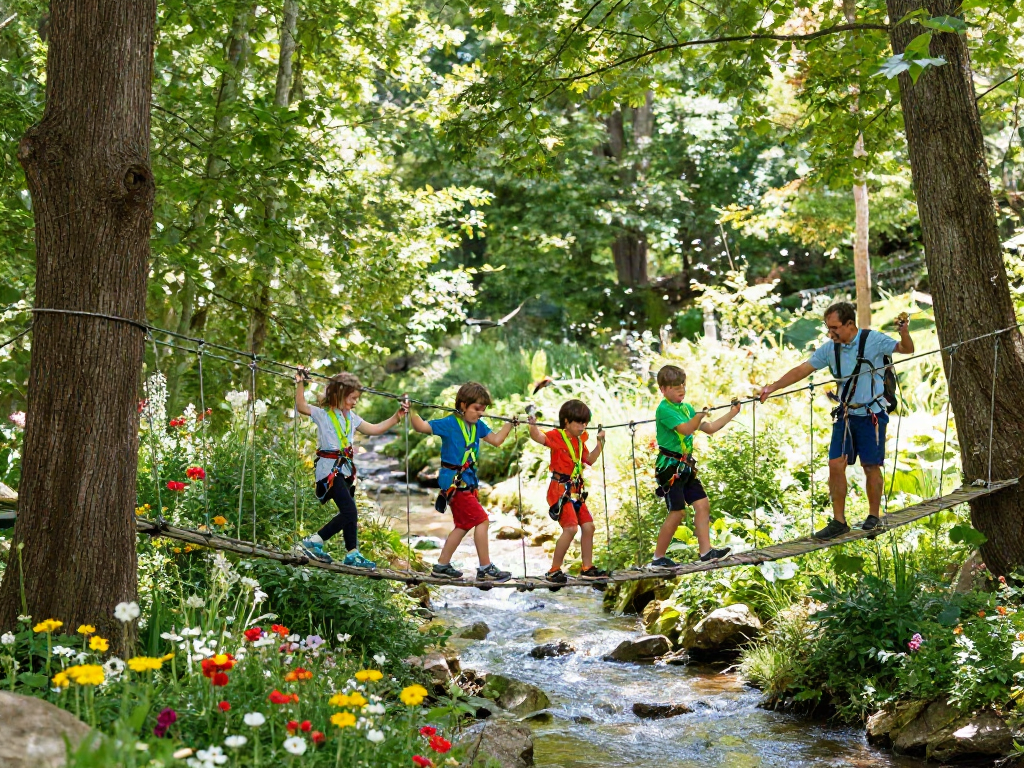
Understanding Rope Bridges and Their Design
Rope bridges, often synonymous with adventure and exploration, serve as captivating structures that intrigue both young and old. These remarkable designs span gaps, whether between trees in a playground or across rivers in beautiful landscapes. When exploring options, Rope Bridge kits provide comprehensive insights for those interested in integrating these features into their outdoor spaces. Not only do they offer a fun way to traverse environments, but they also come with a rich history and various designs that cater to different needs.
What is a Rope Bridge?
A rope bridge is a type of bridge where the primary load-bearing components are ropes, typically made from durable materials. These bridges can range from simple designs that use basic rope and planks to complex structures capable of supporting significant weight. The rope provides tension that helps maintain the bridge's stability, making it an excellent choice for crossing uneven terrain or bodies of water.
History and Evolution of Rope Bridges
The evolution of rope bridges dates back thousands of years, originating in regions where natural resources were limited. Historically, indigenous populations in South America constructed simple rope bridges, often made from local materials such as vines and grasses. As time progressed, advancements in materials and construction techniques led to more robust designs, including the modern suspension rope bridge, which can support larger loads over greater distances.
Common Types of Rope Bridges
- Suspension Bridges: These bridges use ropes suspended between two points, allowing for a flexible and resilient structure.
- Hammock Bridges: A type of suspension bridge that is typically lower and provides a gentle sway, making them perfect for children.
- Post and Beam Rope Bridges: These structures incorporate vertical posts to support the ropes, providing additional stability and strength.
Benefits of Installing a Rope Bridge
Integrating a rope bridge into a landscape offers numerous advantages, especially in promoting outdoor activity and creativity. The unique design not only enhances the aesthetics of a space but also provides physical and mental benefits for those who use it.
Enhancing Play and Adventure for Children
A rope bridge can transform any play area into an exciting adventure zone. Children are naturally drawn to climbing and exploring, and a rope bridge encourages imaginative play. It acts as a bridge between playsets, allowing kids to envision themselves as adventurers conquering a canyon or explorers crossing a river.
Building Physical Skills and Confidence
Using a rope bridge helps children develop essential physical skills such as balance, coordination, and strength. As they navigate the bridge, they build confidence in their abilities, fostering a sense of accomplishment when they successfully cross. This kind of play not only promotes physical health but also boosts self-esteem.
Connecting Spaces in Outdoor Environments
Rope bridges serve a functional purpose by connecting different areas within a garden or playground. They can create pathways between treehouses, gardens, or other structures, enhancing the flow of movement and encouraging exploration of the space. Additionally, the aesthetic appeal of a rope bridge can elevate the overall design of an outdoor environment.
Safety Considerations for Rope Bridges
While the charm of rope bridges is undeniable, ensuring safety is paramount for their users. Proper planning and maintenance can help mitigate risks associated with these structures.
Choosing Quality Materials and Construction
When constructing a rope bridge, it’s vital to select high-quality materials that can withstand environmental elements. Ropes made from polyester or nylon are commonly recommended due to their strength and resistance to moisture. Additionally, ensuring the bridge is installed correctly and securely will greatly reduce the risk of accidents.
Importance of Safety Gear and Supervision
Children should always wear appropriate safety gear when using rope bridges to prevent injuries. This can include helmets and harnesses, particularly for high or more complex bridges. Moreover, adult supervision is crucial to ensure safe play and assist children in mastering their climbing skills.
Regular Maintenance Tips for Longevity
To prolong the life of a rope bridge, regular maintenance checks are necessary. Inspect ropes for fraying, secure connections, and ensure that all components are intact. Cleaning the bridge periodically can also prevent the build-up of dirt and moisture, which can degrade materials over time.
How to Build Your Own Rope Bridge
Building a rope bridge can be an enjoyable and rewarding project that enhances outdoor spaces while encouraging physical activity. Here is a guide to help you navigate through the process.
Planning Your Project: Location and Design
Before starting construction, consider the bridge's location and the design that best suits your needs. Look for sturdy trees or anchor points that can support the bridge. Additionally, sketching a design will help visualise the structure and provide a blueprint for assembly.
Materials Needed for a DIY Rope Bridge
- Rope (preferably polyester or nylon)
- Wooden planks for the decking
- Carabiners and other connectors
- Screws and anchors for securing the structure
- Safety gear for assembly
Step-by-Step Guide to Assembly
- Secure the anchor points: Ensure both ends of the bridge are properly anchored.
- Attach the ropes: Use carabiners to connect the ropes securely to the anchor points.
- Lay down the decking: Place wooden planks across the ropes, fastening them to ensure stability.
- Test the bridge: Before allowing use, test the bridge to verify that it's secure and stable.
Future Trends in Rope Bridge Structures
The evolution of rope bridges involves not just aesthetic and functional elements but also environmental considerations and innovative designs. As we move towards 2026, the following trends are expected to shape the future of these structures.
Innovative Materials and Eco-Friendly Options
There is a growing trend towards the use of sustainable materials in outdoor structures. Biodegradable ropes and recycled materials for the bridge structure itself are becoming more popular, catering to environmentally conscious consumers.
Rope Bridges in Adventure Parks and Recreation Areas
Rope bridges are increasingly seen in adventure parks, where they serve not only as play features but also as part of obstacle courses designed to challenge both children and adults. This trend enhances the recreational landscape by promoting physical fitness and outdoor engagement.
Predictions for Rope Bridge Popularity by 2026
As the demand for unique outdoor experiences continues to grow, it is predicted that rope bridges will become more prevalent in residential landscapes, parks, and playgrounds. This increase is driven by a desire for innovative and engaging play spaces that encourage physical activity and social interaction.
What is a rope bridge called?
A rope bridge is often referred to as a suspension bridge or a simple suspension bridge, depending on its design and structural components.
How do you make a rope bridge?
To create a rope bridge, you need to secure anchor points, attach ropes, and lay down decking. Ensure it’s constructed safely and tested thoroughly before use.
What type of rope is best for a rope bridge?
For rope bridges, polyester or nylon ropes are recommended due to their strength and resistance to environmental wear.
Are rope bridges safe for children?
When built and maintained properly, rope bridges can be safe for children, provided that safety gear is worn and adult supervision is present.
Where can I find professional rope bridge kits?
Professional rope bridge kits can often be found at specialized outdoor equipment retailers or online platforms dedicated to adventure and recreational products.