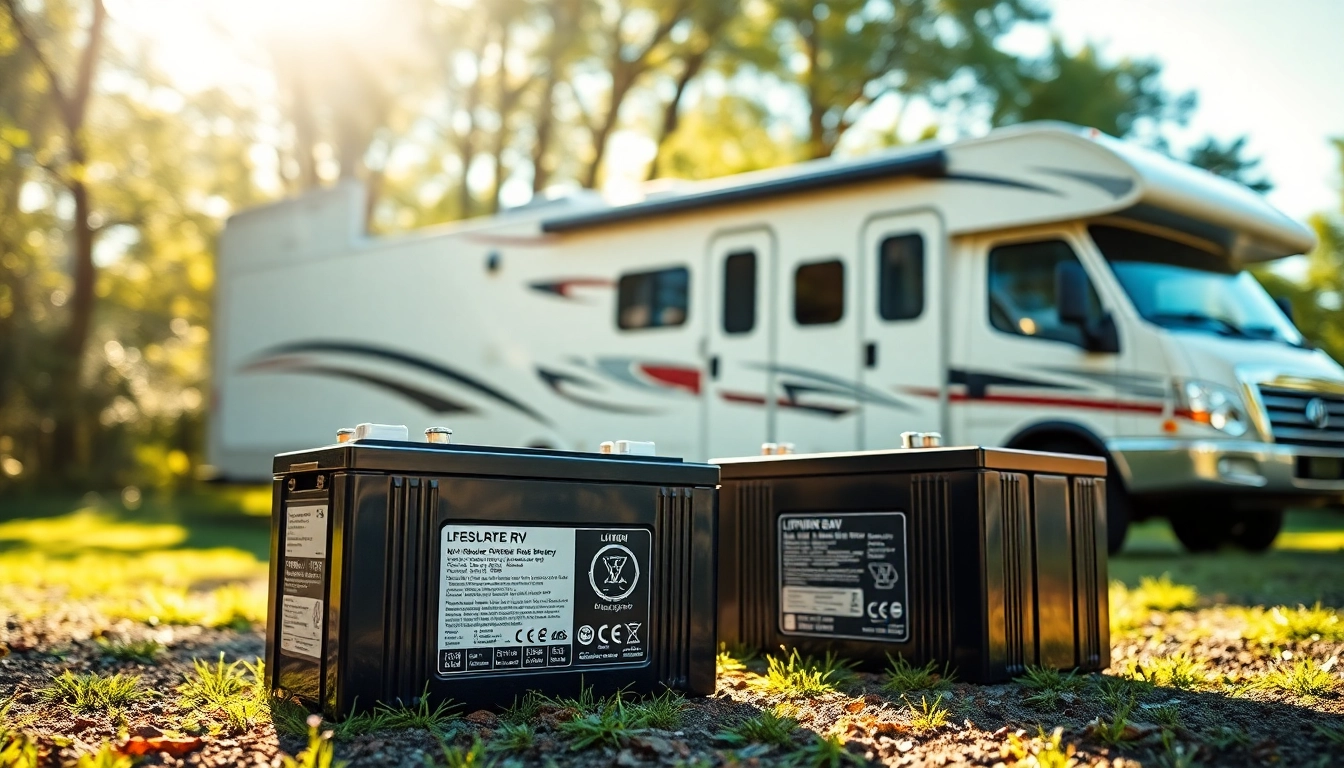
Understanding Lithium RV Batteries
What Are Lithium RV Batteries?
Lithium RV batteries are advanced energy storage solutions designed specifically for recreational vehicles (RVs), campers, and off-grid adventures. Unlike traditional lead-acid batteries, lithium batteries utilize lithium iron phosphate (LiFePO4) technology, providing a lighter, more efficient, and longer-lasting power source. They have become a popular choice among RV enthusiasts due to their superior performance features, such as a higher energy density and faster charging capabilities.
Advantages Over Traditional Batteries
Opting for lithium RV batteries presents a range of benefits over traditional lead-acid alternatives:
- Longer Lifespan: Lithium batteries typically last up to 10 years or more, outpacing lead-acid batteries that generally need replacement after 3-5 years.
- Weight Efficiency: Lithium batteries are significantly lighter, reducing the overall weight of your RV, which can enhance fuel efficiency and handling.
- Higher Energy Density: These batteries provide more usable energy, ensuring that you have the power you need for longer periods, essential for extended trips.
- Faster Charging: Lithium batteries charge much quicker—often within a few hours—compared to lead-acid batteries, which can take up to 12 hours or more.
- No Maintenance Required: Lithium batteries are maintenance-free and do not require watering or equalization, reducing the hassle of owning an RV.
- Temperature Tolerance: They have a superior tolerance for varied temperatures, meaning they can perform well in both extreme heat and cold.
Key Specifications and Features
When exploring lithium RV batteries, it's vital to examine their specifications to ensure they meet your needs:
- Voltage: Most lithium RV batteries offer standard voltages of 12V, 24V, or 48V.
- Capacity: Measured in amp-hours (Ah), capacity determines how long your battery can power devices. Common capacities include 100Ah, 200Ah, and 400Ah.
- Discharge Rate: A vital feature that indicates how quickly a battery can deliver its stored energy; look for a higher rate for powering larger appliances.
- Cycle Life: Refers to how many times you can recharge the battery before its capacity diminishes significantly, with lithium batteries offering upwards of 2000 cycles.
Choosing the Right Lithium RV Battery
Battery Capacity and Size Considerations
Selecting the right size and capacity of your Vatrer Power lithium RV batteries is fundamental to ensuring reliable power. Consider your power requirements and device energy consumption. Each electronic device in your RV will have a specific wattage rating. Sum the wattages of all devices you plan to use simultaneously to determine your battery capacity needs. As a rule of thumb, you should also consider the following:
- Usage Duration: How long do you plan to stay off-grid? Longer uses require higher capacities.
- Reserve Capacity: Add a buffer to avoid draining the battery below safe levels, usually around 20% of total capacity.
Common Mistakes When Selecting Batteries
While selecting a lithium battery for RV use, many people make common mistakes:
- Overlooking Compatibility: Not all lithium batteries are compatible with existing charging systems. Ensure your RV’s inverter can handle lithium batteries.
- Ignoring Weight Considerations: Failing to account for weight might lead to overloading your RV and affecting performance and safety.
- Not Factoring in Environmental Conditions: Installing batteries unsuitable for climate can lead to reduced efficiency or premature failure.
Assessing Your Power Needs
Evaluating your power requirements is critical before choosing a lithium battery:
- Device Inventory: Check the power usage for all devices, including lights, appliances, and recreational gadgets.
- Peak vs. Average Load: Understand the difference between the peak load (what you need during high-demand periods) and the average load (typical usage).
- Expected Daily Consumption: Gauge how much power you use daily to help calculate battery size accurately.
Installing Your Lithium RV Battery
Preparation Steps for Installation
Before installation, ensure you have the right tools and safety gear:
- Safety goggles and gloves
- Wrenches and screwdrivers
- Battery terminal cleaner
- Wire connectors
Also, read the manufacturer’s guidelines and ensure you understand the installation process, including identifying the positioning of your old battery setup if applicable.
Step-by-step Installation Guide
Follow these steps for a smooth installation:
- Disconnect the RV’s power and remove the old battery, if applicable.
- Clean the battery terminal connections thoroughly using a cleaner.
- Position your new lithium battery in the designated compartment, ensuring it's secured firmly.
- Connect the positive (+) terminal first, followed by the negative (-) terminal.
- Double-check all connections and ensure there are no exposed wires before reactivating your RV’s power.
Common Installation Challenges
Occasionally, installation may present challenges. Here are some common hurdles and solutions:
- Cable Length: If the new battery is further away than the old installation, you may need to purchase additional battery cables of appropriate gauge.
- Space Constraints: If your RV battery compartment is too small, consider relocating the battery or finding a more compact battery model.
Maintaining Your Lithium RV Batteries
Routine Maintenance Practices
Although lithium batteries require less maintenance compared to traditional batteries, you should still follow some best practices:
- Regularly check for corrosion around the terminals and clean as necessary.
- Perform voltage checks to ensure the battery is functioning optimally.
- Monitor battery management system alerts, which can indicate when maintenance is needed.
Troubleshooting Common Issues
If you encounter performance issues with your lithium battery, consider these common problems:
- Low Power Output: Inspect connections to ensure they’re secure and free of corrosion.
- Battery Not Charging: Check if the solar panel or charger settings are compatible with the battery specifications.
Extending Battery Lifespan
To maximize the lifespan of your lithium RV batteries:
- Avoid full discharge; aim to keep a reserve of at least 20% capacity.
- Maintain optimal charging conditions, avoiding extreme temperatures.
- Use a compatible charger designed for lithium batteries, which prevents overcharging and optimizes battery health.
Frequently Asked Questions About Lithium RV Batteries
Are lithium batteries worth it for an RV?
Yes, lithium batteries can be worth the investment for RV owners, especially those who frequently camp off-grid, as they offer longer lifespans and more usable energy compared to traditional batteries.
How long will a 12V fridge run on a 100Ah lithium battery?
A 100Ah lithium battery can typically power a 12V fridge for approximately 2-3.5 days, depending on the fridge's energy consumption and other factors affecting performance.
Can lithium RV batteries be charged with solar panels?
Yes, lithium RV batteries can be effectively charged using solar panels, making them an excellent option for off-grid camping and sustainable power solutions.
What is the lifespan of lithium RV batteries?
Lifespan varies, but most 12V 300Ah Lithium Battery can last between 10 to 15 years, provided they are maintained properly and not subjected to extreme conditions.
How to properly store lithium RV batteries?
Store lithium batteries in a cool, dry place with a charge between 30-50%. Avoid extreme temperatures and check periodically to maintain optimal storage conditions.