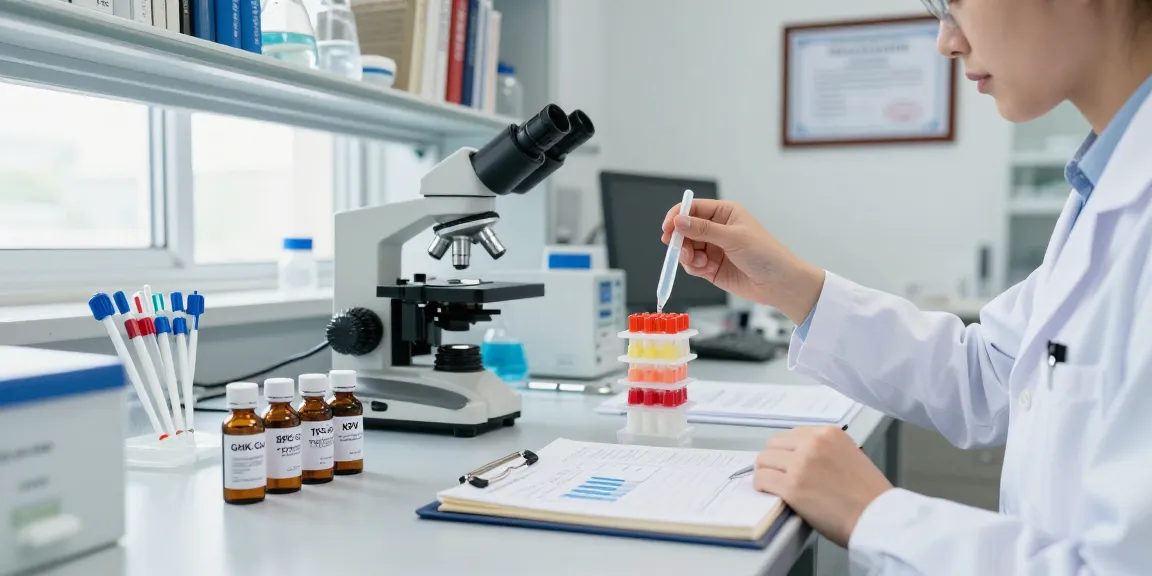
Understanding the Four-Peptide Research Stack
The introduction of Klow Peptide Stack by Koi Peptides represents a significant advancement in laboratory research materials. This four-peptide research stack comprises GHK-Cu, BPC-157, TB-500, and KPV, uniquely blended into a single lyophilized formulation. This structured approach not only simplifies procurement for laboratories but also ensures that researchers have access to a reliable, documented blend tailored for experimental rigor. When exploring options, four-peptide research stack formulations like Klow are becoming increasingly relevant in scientific inquiry.
Definition and Components of the Four-Peptide Research Stack
The Klow Peptide Stack is defined by its specific components, each selected for its unique attributes and potential applications in research settings:
- GHK-Cu: A copper-binding tripeptide known for its role in wound healing and tissue repair.
- BPC-157: A synthetic pentadecapeptide that has demonstrated potential in promoting healing in various tissues.
- TB-500: A synthetic peptide associated with improved recovery and reduced inflammation.
- KPV: A tripeptide highlighted for its involvement in anti-inflammatory processes.
Together, these components form a research stack that targets various pathways in cellular and tissue physiology, making it a valuable asset for laboratories focusing on regenerative medicine, inflammation, and healing processes.
Key Benefits for Laboratory Research
The Klow Peptide Stack offers multiple benefits to researchers, including:
- Consolidation of resources: Having all four peptides in a single vial streamlines the procurement process, saving time and reducing administrative overhead.
- Documented quality assurance: Each batch undergoes rigorous testing and is accompanied by a Certificate of Analysis (COA), ensuring reliability in results.
- Increased experimental flexibility: Researchers can explore synergistic effects within the stack without the need to mix separate components manually.
Comparative Analysis with Other Peptide Blends
When compared to other peptide formulations, the Klow Peptide Stack stands out due to its comprehensive documentation and intended research use. For example, products like the Glow Stack, often cited in discussions surrounding peptide therapies, contain similar components but lack the integrative testing framework that Klow provides. This distinctiveness is crucial as the demand for precise and reliable materials in laboratory settings grows.
Quality Control in Peptide Research
Quality control is paramount in peptide research, particularly where results may influence clinical applications. The Klow Peptide Stack is backed by comprehensive quality assurance protocols, pivotal for maintaining experimental integrity.
Importance of Certificates of Analysis (COA)
The Certificate of Analysis (COA) serves as a cornerstone of trust in peptide research. It provides detailed information about the identity, purity, and sterility of the Klow Peptide Stack. Each COA is generated based on rigorous analytical methods, giving researchers confidence in the products they utilize.
Testing Standards: HPLC and Mass Spectrometry
Koi Peptides employs advanced analytical techniques, including High-Performance Liquid Chromatography (HPLC) and mass spectrometry, to ensure the purity and identity of each peptide component in the stack. Specifically, HPLC is used to quantify the presence of individual peptides, while mass spectrometry verifies their molecular weights, confirming the correct sequences are present.
Endotoxin Testing Procedures
The presence of bacterial endotoxins can compromise experimental integrity. To mitigate this risk, each batch of the Klow Peptide Stack is screened for endotoxins using assays like the Limulus Amebocyte Lysate (LAL) test, ensuring that products meet necessary safety standards.
Applications of the Klow Peptide Stack in Research
The Klow Peptide Stack has potential applications in a diverse range of research contexts, driven by the distinct properties of its individual components. Understanding these applications is essential for researchers looking to leverage the benefits of this formulation.
Potential Research Contexts for GHK-Cu, BPC-157, TB-500, and KPV
The individual peptides within the Klow Peptide Stack can be investigated for various research applications:
- GHK-Cu: Studies examining its effects on collagen synthesis and tissue regeneration.
- BPC-157: Research focusing on its ability to promote healing in tendon and ligament injuries.
- TB-500: Investigations into its role in muscle repair and recovery post-injury.
- KPV: Studies relating to its anti-inflammatory properties and potential therapeutic applications in chronic inflammation.
Case Studies: Successful Applications in Lab Settings
Several research studies have successfully utilized the Klow Peptide Stack or its individual components, demonstrating the efficacy of this approach. For example, a study published in a reputable journal illustrated how the combination of GHK-Cu and BPC-157 accelerated wound healing in diabetic model systems, providing valuable insights for clinical applications.
Challenges in Utilizing Peptide Stacks in Research
While the Klow Peptide Stack offers numerous advantages, there are challenges associated with its use. These may include:
- Complexity in experimental design: Researchers must carefully plan studies to account for potential interactions between peptides.
- Standardization of protocols: Maintaining consistency in reconstitution and application is critical to minimize variability in results.
Best Practices for Working with Multi-Peptide Formulations
Working with multi-peptide formulations like the Klow Peptide Stack requires adherence to several best practices to ensure experimental reliability and validity.
Guidelines for Proper Handling and Storage
To maintain the integrity of the Klow Peptide Stack, it is essential to store it under recommended conditions, typically in a cool, dry place, protected from light. Proper handling techniques should also be employed to avoid contamination during reconstitution and application.
Steps for Accurate Measurement and Reconstitution
Accurate measurement is critical for ensuring that each peptide component is delivered in the correct dosage. Following a sequential process for reconstitution, including the use of sterile techniques and calibrated instruments, can help maintain consistency across experiments.
Documentation Practices for Research Integrity
Documenting each step of the research process is essential for ensuring integrity. This should include maintaining records of peptide lot numbers, COA details, and any deviations from established protocols to facilitate reproducibility and accountability.
Future Trends in Peptide Research and Development
As we advance through 2026, the landscape of peptide research is rapidly evolving. Staying informed about trends and potential technological advancements is crucial for researchers operating in this domain.
The Role of Advanced Research in 2026 and Beyond
Research in 2026 is increasingly characterized by interdisciplinary approaches and collaborations, which could lead to novel applications and enhanced formulations. The integration of artificial intelligence in research design is expected to streamline the selection of peptide combinations based on specific outcomes.
Emerging Technologies and Their Impact on Peptide Research
New technologies are paving the way for innovative applications of peptide research. For instance, advancements in peptide synthesis and purification techniques can improve the yield and purity of peptide formulations, providing researchers with superior materials for experimentation.
Predictions for the Evolving Landscape of Multi-Peptide Formulations
The future will likely see an increase in personalized peptide formulations tailored to specific disease states or therapeutic goals. As research progresses, the demand for sophisticated multi-peptide blends will grow, necessitating a robust infrastructure to support quality control and documentation.
How Can Researchers Verify a Klow Peptide Stack Lot?
Verification of a Klow Peptide Stack lot involves checking the COA against the lot number on the vial. The COA should detail the identity, purity, and endotoxin levels, ensuring the received product matches the specifications outlined in the lot documentation.
What Are the Key Distinctions Between Klow and Glow Peptide Stacks?
The primary distinction between Klow and Glow Peptide Stacks lies in the inclusion of KPV in the former. This four-peptide composition allows for targeted research applications, whereas Glow typically includes only the first three components. Understanding these differences is essential for researchers selecting the appropriate stack for their experimental needs.
Why Is Documentation Critical for Multi-Peptide Blends?
For multi-peptide formulations like the Klow Peptide Stack, documentation is paramount. It provides transparency in research, ensuring that every component's identity and purity are traceable to a specific batch, thereby enhancing reproducibility and confidence in scientific findings.
How Can Labs Ensure Quality When Purchasing Peptides?
Laboratories can ensure quality when purchasing peptides by assessing suppliers’ documentation practices, including COAs, sourcing transparency, and compliance with industry standards. Regular audits and reviews of supplier performance can also bolster confidence in the materials procured.
What Is the Current Regulatory Landscape for Peptide Research?
The regulatory landscape for peptide research is complex and varies across jurisdictions. Researchers must remain vigilant about compliance with local regulations regarding peptide use, particularly concerning substances recognized as unapproved drugs or prohibited in competitive sports. Knowledge of these regulations is essential for maintaining the integrity of research initiatives.