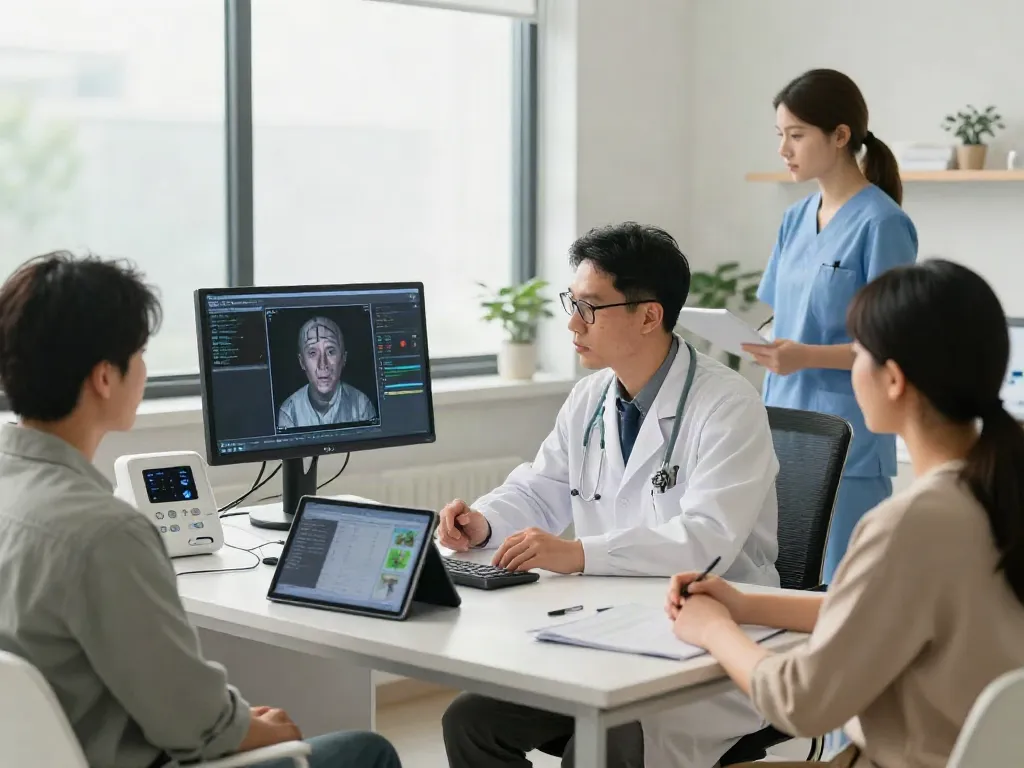
Understanding Telestroke: A New Era in Stroke Care
In the fast-paced world of medicine, technological innovations are continuously reshaping how healthcare is delivered. One such innovation, Telestroke, represents a revolutionary approach to stroke care that leverages telemedicine to improve patient outcomes. By enabling remote consultations with stroke specialists, Telestroke allows for immediate assessment and treatment decisions, significantly increasing the chances of favorable outcomes for stroke patients. As healthcare providers increasingly adopt these technologies, understanding the nuances of Telestroke becomes essential for both patients and practitioners.
What is Telestroke and How Does It Work?
Telestroke is a form of telemedicine specifically designed to provide stroke care in real-time, allowing neurologists to evaluate patients from a distance. This innovative system typically involves the use of high-definition video conferencing, digital imaging, and other advanced technologies to facilitate remote diagnosis and treatment. When a patient presents with stroke symptoms, local emergency physicians can connect instantly with specialized stroke neurologists who guide them through the initial assessment and determine the appropriate course of treatment.
The Importance of Rapid Stroke Diagnosis
Time is of the essence when it comes to treating strokes, particularly ischemic strokes, where prompt intervention can significantly reduce the risk of long-term disability or death. The brain is highly sensitive to oxygen deprivation; therefore, every minute counts. A study from the American Heart Association emphasizes that for every 15 minutes of delay in treatment, the patient’s chance of a good outcome decreases. Telestroke addresses this critical time constraint by enabling rapid access to expert opinion and interventions, thus bridging the gap between smaller hospitals and specialized care centers.
Key Technologies Behind Telestroke Solutions
The promise of Telestroke lies not only in its ability to connect patients with specialists but also in the technological framework that supports it. Key components include:
- Audio-Visual Communication: High-definition video conferencing technology ensures that neurologists can conduct thorough assessments, using visual cues to guide their evaluations.
- Remote Imaging: Advanced imaging techniques such as CT scans and MRIs can be shared in real time, allowing specialists to analyze the data and formulate treatment plans swiftly.
- Data Transmission Systems: Secure and efficient data transfer protocols are in place to protect patient information while ensuring rapid access to necessary medical histories and imaging.
Benefits of Telestroke for Patients and Healthcare Providers
The introduction of Telestroke into the medical landscape has significantly transformed how stroke care is approached, bringing numerous benefits for both patients and healthcare providers.
Improving Access to Expert Care for Stroke Patients
Many regions, particularly rural areas, suffer from a lack of access to specialized stroke care. Telestroke programs can extend the reach of expert care, ensuring that patients anywhere can receive immediate and professional evaluations. This can lead to quicker decisions regarding the administration of life-saving treatments, such as thrombolytics or thrombectomy.
Time-Saving Advantages for Emergency Response Teams
Emergency medical services (EMS) now have the ability to collaboratively plan patient transport while en route to the hospital thanks to Telestroke. By communicating with neurologists during transport, they can prioritize and prepare the necessary resources, essentially streamlining emergency responses and improving patient throughput.
Enhanced Outcomes Through Advanced Technology
Research indicates that facilities with Telestroke capabilities report higher rates of thrombolysis and other critical interventions. The ability to consult with a specialist remotely can enhance decision-making processes, leading to better clinical outcomes, reduced hospital stays, and lower healthcare costs for patients and providers alike.
Implementing Telestroke: Best Practices for Hospitals
For hospitals considering the adoption of Telestroke programs, several key strategies can help ensure successful implementation and ongoing success.
Setting Up a Telestroke Program: Essential Steps
Establishing a Telestroke program involves several critical steps, including evaluating the hospital's current capabilities, forming partnerships with stroke specialists, and developing protocols for remote consultations. Leadership should also assess and integrate necessary technologies, considering both hardware and software solutions that comply with healthcare regulations.
Staff Training and Patient Engagement Strategies
Effective training programs for staff are essential to maximize the efficacy of Telestroke. This includes educating emergency department personnel on the Telestroke process and protocols, as well as training on the use of telecommunication technology. Additionally, patient education is vital to ensure understanding and engagement with the Telestroke process, thereby enhancing compliance and satisfaction.
Evaluating the Technology and Equipment Needs
Investment in quality technology is crucial for Telestroke success. Hospitals should prioritize high-quality video conferencing equipment, reliable imaging capabilities, and secure data handling systems. Regular assessments and upgrades to technology can ensure that the program continues to meet evolving healthcare standards.
Case Studies: Success Stories from Telestroke Programs
The success of Telestroke programs is evidenced by numerous case studies across the globe, showcasing significant improvements in patient outcomes.
Real-World Examples of Improved Patient Outcomes
For instance, in a study conducted across multiple hospitals in rural America, it was found that Telestroke patients had a 20% higher chance of receiving thrombolytics within the recommended time frame compared to those without access to such programs. This demonstrates the substantial impact of timely intervention facilitated by telemedicine.
Comparative Analysis of Before and After Implementations
In another example, a medium-sized hospital in the Midwest implemented a Telestroke program and reported a 30% reduction in treatment times for stroke patients. The before-and-after analysis highlighted improved processes and enhanced coordination between emergency responders and specialists.
Lessons Learned from Early Adopters
Many hospitals have faced initial challenges in adopting Telestroke, from technological glitches to staff resistance. However, by fostering a culture of innovation and focusing on continuous improvement, these institutions have overcome early hurdles, highlighting the importance of leadership support and patient-centered care models.
The Future of Telestroke: Trends and Predictions for 2026
As we look towards 2026, the landscape of stroke care is expected to evolve dramatically, with Telestroke at the forefront.
Emerging Technologies in Telemedicine for Stroke Care
Advancements in AI and machine learning are set to revolutionize stroke diagnostics further. Automated imaging analysis could enable faster decision-making, while predictive analytics may help identify at-risk populations earlier, allowing for preventive measures.
Potential Challenges and How to Overcome Them
Despite its promise, Telestroke will face challenges such as ensuring equitable access to technology and addressing cybersecurity concerns. Proactive measures, including policy advocacy and robust cybersecurity frameworks, will be essential to navigate these hurdles.
Patient-Centric Innovations in Stroke Treatment
Future innovations will increasingly focus on personalized medicine, tailoring stroke prevention and treatment strategies to individual patient profiles. This evolution will be driven by integrating data analytics and patient feedback into care models.
What Are the Most Common Telestroke Questions?
As familiarity with Telestroke grows, patients often have questions regarding its implications. Common inquiries include concerns about the reliability of remote diagnoses, the technology used, and what to expect during Telestroke consultations.
How Does Telestroke Impact Rural Healthcare Access?
Telestroke represents a critical lifeline for rural areas, where access to specialty care is often limited. By offering remote access to stroke specialists, Telestroke programs can significantly reduce disparities in healthcare access.
What Are the Costs Associated with Implementing Telestroke?
The costs of implementing a Telestroke program can vary widely, depending on technology investments and training needs. However, many hospitals find that the long-term savings associated with improved patient outcomes far outweigh initial expenditures.
Can Telestroke Reduce the Risk of Long-Term Disability?
Research indicates that Telestroke can indeed lower the risk of long-term disabilities by facilitating faster treatment interventions, thus minimizing brain damage and improving recovery potential.
What Training Is Required for Healthcare Providers?
Healthcare providers involved in Telestroke must undergo specialized training focusing on telemedicine protocols, technology use, and effective communication techniques to ensure optimal patient care.