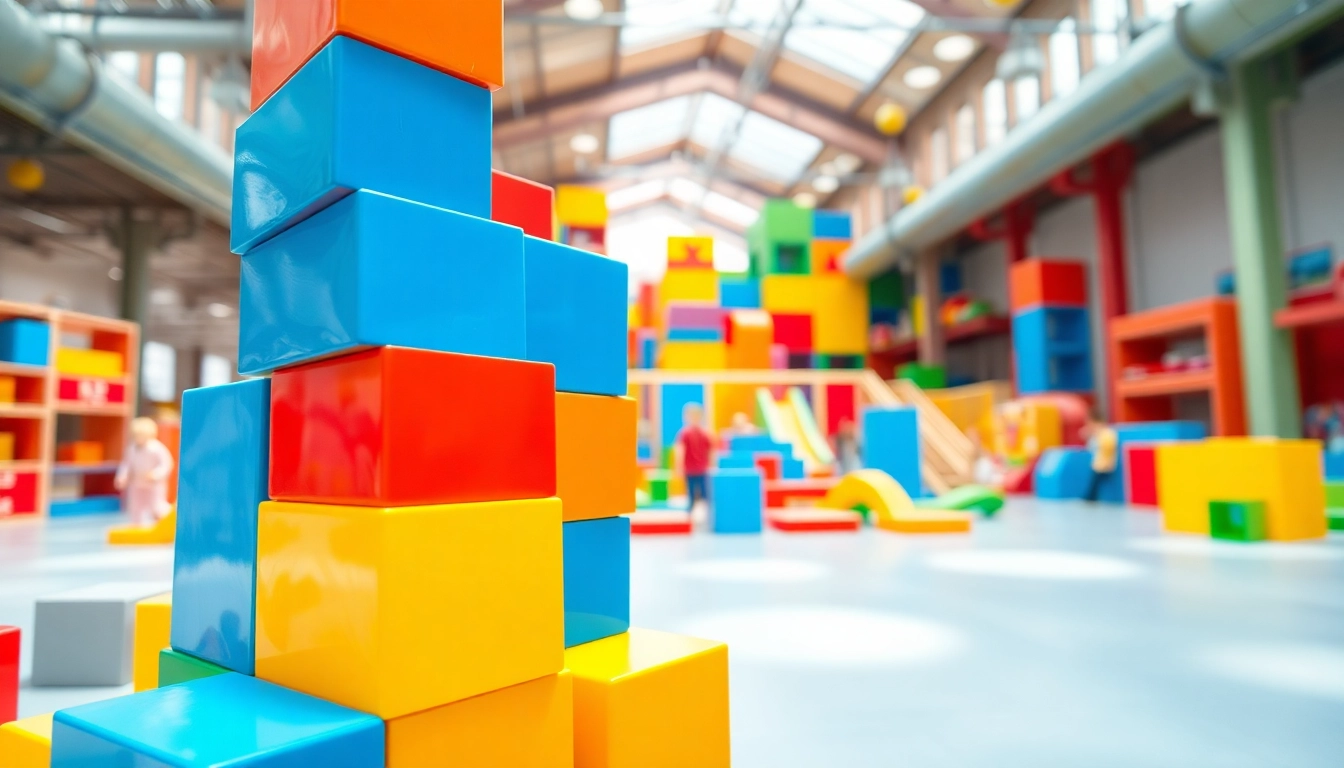
Introduction to Giant Building Blocks
In a world brimming with distractions and digital entertainment, encouraging imaginative play is crucial for children's development. One of the most effective tools for fostering creativity and cognitive growth is the incredibly versatile giant building block. These oversized blocks not only fuel the imagination but also stimulate various developmental skills as children engage in creative play. To fully appreciate their benefits and potential, let’s delve into what giant building blocks are and how they can enrich playtime. If you want to discover more about these enriching toys, this article offers ample insights.
What Are Giant Building Blocks?
Giant building blocks are oversized construction toys designed for children to assemble and create structures of various shapes and sizes. Made from lightweight and durable materials, these blocks typically measure significantly larger than standard building blocks, often ranging from several inches to a foot or more in width, height, and depth. Their larger size makes them suitable for collaborative play, allowing kids to construct impressive structures together or on their own. Through this hands-on approach to building, children learn to visualize their concepts and bring them to life.
Benefits of Playing with Large Blocks
The benefits of playing with giant building blocks extend far beyond mere entertainment. Engaging with these blocks can promote physical, cognitive, and social development in several ways:
- Physical Development: Handling giant blocks helps develop fine motor skills and hand-eye coordination. As children lift, balance, and stack these larger blocks, they engage various muscle groups, enhancing strength and dexterity.
- Cognitive Skills: Building with blocks encourages problem-solving and critical thinking. Kids learn to plan their structures, experiment with balance and stability, and make adjustments to their designs as they play.
- Creativity: The open-ended nature of block play encourages imagination. Children can transform their ideas into tangible creations, exploring themes from castles and bridges to rocket ships and more.
- Social Interaction: Giant blocks promote cooperative play. When children work together to build, they enhance their communication skills, share ideas, and develop teamwork abilities.
- Emotional Growth: Successfully completing a building project boosts self-esteem and confidence. The play also offers a safe space for children to express their feelings and experiment with various roles in play scenarios.
Safe Materials and Design
When it comes to children's toys, safety is paramount. Most giant building blocks are crafted from non-toxic, BPA-free plastic or foam materials. These materials not only ensure safety but also provide a soft surface that minimizes the risk of injury during play. Furthermore, many brands design their blocks with rounded edges and smooth finishes, preventing sharp corners that could pose a hazard. When choosing giant building blocks, it's essential to look for certifications that guarantee they meet safety standards for children’s toys, ensuring peace of mind for parents and caregivers alike.
Creative Play Ideas
Giant building blocks open up a realm of imaginative possibilities. Here are several creative play ideas that can enhance the play experience for children:
Building Structures Together
One of the most rewarding aspects of giant building blocks is the collaborative nature of building. Children can work as a team to create massive structures like castles, towers, or even entire villages. This cooperative play fosters communication and teamwork, as they must share their visions and negotiate on different facets of their projects.
Imaginative Play Scenarios
In addition to constructing buildings, giant blocks can be utilized in various imaginative play scenarios. For instance, children can use blocks to create a backdrop for a drama play, reenacting their favorite stories or inventing new tales entirely. By setting up scenes with the blocks, kids can explore storytelling and character development, enriching their literacy and expressive skills.
Interactive Group Activities
Giant building blocks lend themselves to interactive games and group activities. Adults can organize challenges or obstacle courses, where children must navigate through a series of blocks. Activities like timed building competitions can spur excitement and encourage problem-solving skills as kids strategize to complete their tasks swiftly. Furthermore, these interactive activities encourage a sense of community and shared joy among participants.
Choosing the Right Building Blocks
With a vast range of giant building blocks available, selecting the right set can seem overwhelming. It’s important to consider several key factors before making a choice:
Size and Compatibility
When considering giant building blocks, pay attention to their size and compatibility within your existing play systems. Blocks should be large enough for safety and ease of use but not so large that they become unwieldy for children. Moreover, consider whether the blocks can connect or interact with other toys, expanding playtime possibilities.
Material Considerations
While safety materials are crucial, it’s also essential to consider durability. Look for blocks made from high-quality substances that can withstand constant wear and tear. Additionally, lighter weights can help younger children engage more easily with the blocks, while heavier, sturdier options may be better suited for older kids who can manage more robust structures.
Age Appropriateness
Age appropriateness is another critical factor. While most giant building blocks are designed for a broad age range, the specific size and weight should fit the child's developmental level. For instance, foam blocks might be better suited for toddlers, as they are softer and lighter, while sturdier plastic blocks could be more appropriate for older children looking for greater design complexity.
Setting Up an Indoor Adventure Area
Creating an engaging and safe indoor adventure area for giant building blocks can maximize playtime enjoyment. Here are essential strategies for designing the perfect play space:
Designing the Play Space
When designing a play area, consider space and layout. Ensure there is ample room for children to spread out and build large structures without tripping hazards. A designated play zone should ideally have soft flooring, such as carpet or foam mats, to provide comfort during extended playtime. Incorporating walls or dividers can also help delineate the play area, making it easier for children to focus on their building projects.
Safety Tips for Indoor Play
Safety is paramount when children are playing indoors with giant building blocks. Set clear boundaries for play to minimize the risk of accidents. Ensure that the area is free of sharp objects and obstacles that could lead to injury. Establish rules for respectful play, emphasizing the importance of teamwork and taking care of the blocks. Regularly inspecting the blocks for damage can also maintain safety and prevent any injuries from broken pieces.
Incorporating Other Play Elements
To enhance the play experience further, consider incorporating other elements into your indoor adventure area. Items like play mats, soft toys, or themed decorations can enrich imaginative scenarios while making a cohesive environment. Additionally, integrating sensory bins or art supplies can provide various engagement opportunities alongside building activities, encouraging a more diverse range of creative expression.
Frequently Asked Questions
How do giant building blocks enhance creativity?
Giant building blocks encourage open-ended play, allowing children to express their ideas freely. By building and experimenting, kids learn to visualize concepts and see connections, which enhances their creative thinking skills.
What age group is suitable for giant building blocks?
Giant building blocks are generally suitable for children aged 18 months and up, with options designed to meet varying developmental needs. Always check age recommendations for specific sets.
Are giant building blocks safe for toddlers?
Yes, most giant building blocks are designed with toddlers in mind, made from soft, lightweight, and non-toxic materials. Always supervise play to ensure safety and proper use.
Can giant building blocks be used outdoors?
Many giant building blocks are suitable for outdoor use, but check the manufacturer's guidelines. Blocks made from durable materials can withstand various weather conditions.
How can I clean and maintain the blocks?
Cleaning giant building blocks is easy. Most can be wiped down with a damp cloth and mild soap. Regularly inspect them for wear and tear, and promptly address any damage to ensure safety.