Understanding the Foundations of Mutual Aid Networks

Historical Context and Evolution
Mutual aid networks have roots that trace back to various communities and societies throughout history. The concept, emphasizing cooperation and support among individuals for shared benefits, can be seen in ancient societies where community members pooled resources for protection, food, and labor. In the early 20th century, mutual aid societies became prevalent in industrialized nations, providing essential services to immigrant communities who were often excluded from mainstream social services. Today, these networks have evolved, gaining renewed importance in light of socio-economic disparities exacerbated by crises such as the COVID-19 pandemic.
Core Principles of Mutual Aid
At the heart of mutual aid networks lie several core principles:
- Reciprocity: Members support one another without the expectation of immediate return, fostering a culture of giving and receiving based on trust.
- Solidarity: These networks operate on the belief that collective action is essential for addressing systemic inequalities.
- Inclusivity: Mutual aid networks aim to include all community members, particularly marginalized groups, ensuring equitable access to resources.
- Self-Organization: Participants are encouraged to take initiative and lead efforts, promoting empowerment and ownership of the network’s direction.
Importance of Community Engagement
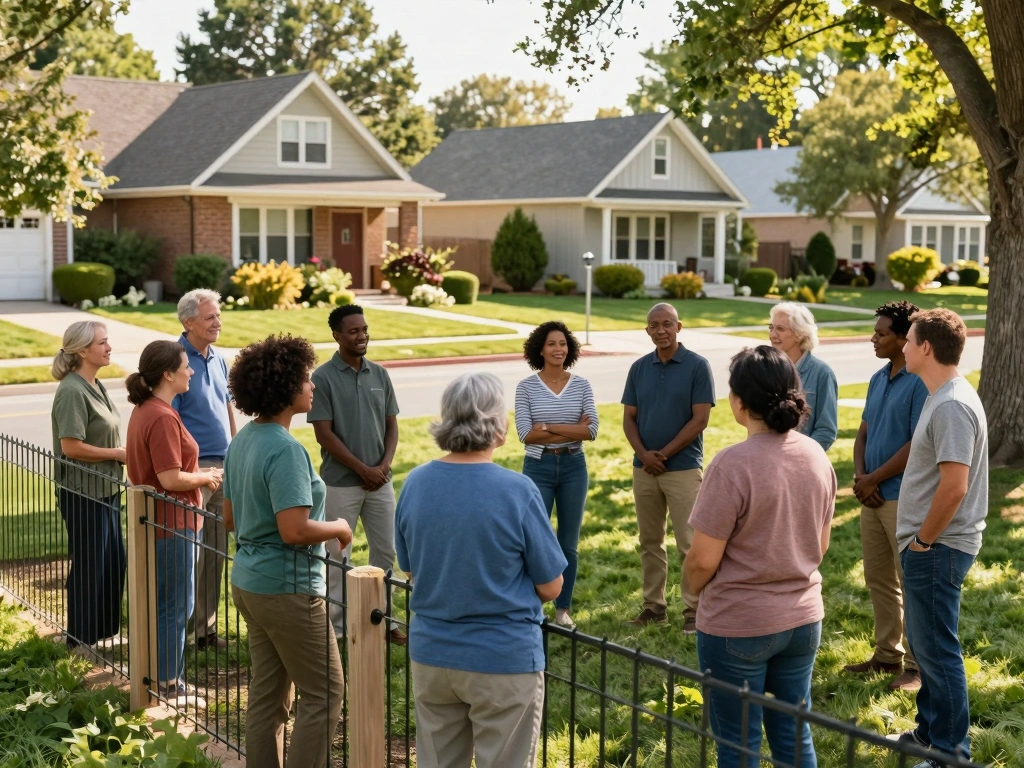
Effective mutual aid networks thrive on robust community engagement. Engaged members are more likely to contribute actively, share resources, and advocate for the network’s needs. Moreover, community engagement fosters a sense of belonging and responsibility, enabling members to feel connected to both the network and each other. A study by the National Mutual Aid Network found that communities with higher engagement levels reported a 50% increase in resource-sharing effectiveness compared to those with less involvement.
Establishing Clear Communication Channels
Utilizing Digital Tools for Coordination
In the digital age, the use of technology is paramount for the coordination of mutual aid networks. Platforms like Slack, Trello, and WhatsApp facilitate real-time communication, task management, and information sharing among members. For instance, during the pandemic, many mutual aid groups utilized Google Forms to streamline requests for help, allowing users to specify needs while maintaining anonymity. This system not only increased efficiency but also ensured that resources could be allocated quickly and effectively.
Encouraging Open Dialogue Among Members
Establishing an environment where members feel comfortable sharing ideas and concerns is crucial for the network’s success. Regularly scheduled virtual or in-person meetings can serve as platforms for open dialogue. For example, the Brooklyn Mutual Aid group holds weekly meetings that encourage members to voice suggestions or grievances, fostering transparency and collaboration. This practice ensures that all participants feel valued and heard, which in turn enhances commitment to the network.
Creating Effective Feedback Mechanisms
Feedback mechanisms such as surveys or suggestion boxes allow members to provide input on the network’s operations. Tools like SurveyMonkey or even simple Google Forms can be used to gather opinions on resource distribution or event planning. Implementing an annual feedback survey can yield significant insights; for instance, a New York-based mutual aid network found that 70% of respondents appreciated the resource allocation system but suggested improvements in communication, prompting the group to revise its outreach strategy.
Building Trust and Relationship Among Participants
Facilitating Regular Community Meetings
Regular community meetings not only serve as a communication tool but also play a vital role in building relationships among participants. By creating a space for informal interaction, members can share experiences and forge connections. For example, the Detroit Mutual Aid group hosts monthly potluck dinners, where members bring food to share, thus creating a relaxed environment for networking. Such gatherings can significantly enhance group cohesion, making members more likely to assist one another.
Implementing Conflict Resolution Strategies
Conflict is an inevitable aspect of any group dynamic. Establishing clear conflict resolution strategies is essential to maintain trust and harmony within the network. Creating a conflict resolution committee or designating a mediator can help address disputes fairly. The Seattle Mutual Aid network has implemented a peer mediation approach, where trained volunteers facilitate discussions between conflicting parties, leading to resolutions that are acceptable to all involved. This proactive strategy has reduced tensions and reinforced the importance of communication and understanding.
Recognizing and Celebrating Contributions
Recognition plays a crucial role in fostering an environment of trust and appreciation. Highlighting individual and group contributions can motivate members to remain engaged. For instance, a mutual aid network in San Francisco implements a monthly spotlight feature on social media that showcases the efforts of different members, celebrating their contributions and inspiring others to participate. This practice not only acknowledges hard work but also strengthens community bonds.
Resource Allocation and Management
Assessing Community Needs and Resources
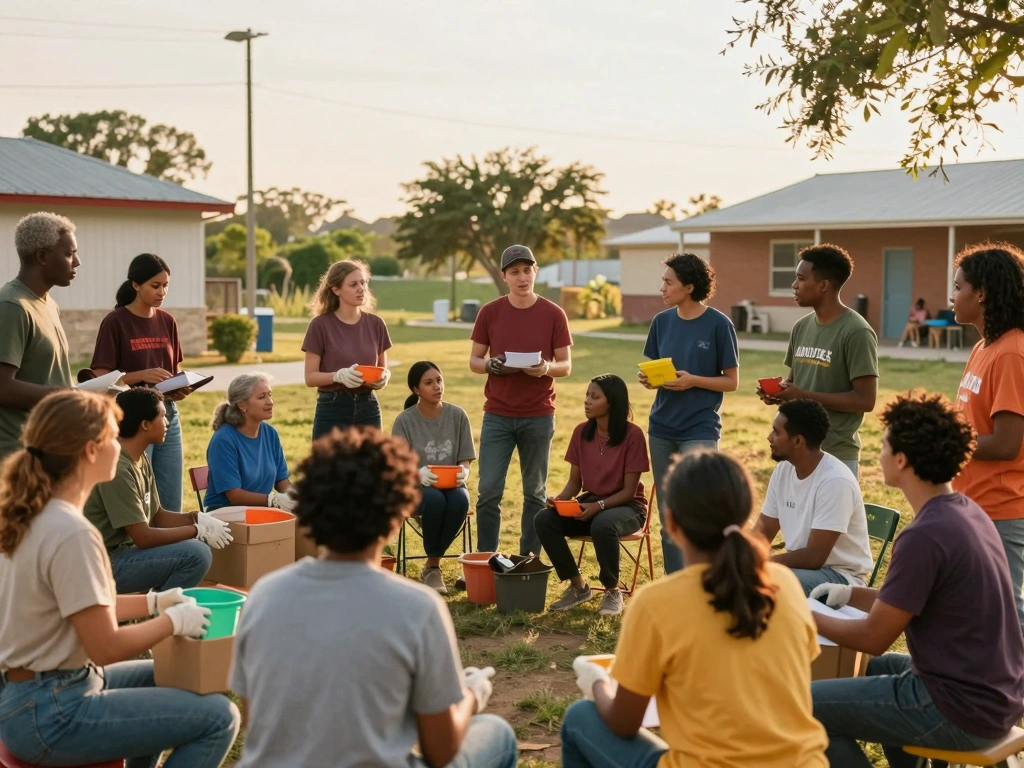
Effective resource allocation begins with a thorough assessment of community needs. Conducting surveys or focus groups can help identify specific requirements, ensuring that the network addresses the most pressing issues. For example, the Chicago Mutual Aid network utilized community surveys to determine that food insecurity was the primary concern for 65% of respondents. This insight led them to prioritize food distribution programs, which saw a 40% increase in participation within three months.
Creating Transparent Resource Distribution Systems
Transparency in resource distribution fosters trust among network members. Implementing a clear system for tracking resources, such as an online database or a spreadsheet, allows all participants to see how resources are allocated. The Los Angeles Mutual Aid group uses an open-access Google Sheet to document requests and distributions, ensuring accountability and clarity. This approach has significantly reduced misunderstandings and disputes regarding resource allocation.
Strategies for Sustainable Funding and Support
Sustainable funding is crucial for the longevity of mutual aid networks. This can be achieved through various strategies, including crowdfunding campaigns, grant applications, and partnerships with local businesses. For instance, the Philadelphia Mutual Aid group successfully launched a crowdfunding campaign that raised over $20,000 within three weeks, enabling them to expand their services to include mental health support and educational workshops. Establishing relationships with local businesses can also lead to sponsorship opportunities, further enhancing resource availability.
Evaluating Impact and Adaptability of Networks
Setting Measurable Goals and Objectives
To evaluate the effectiveness of mutual aid networks, it is essential to set measurable goals and objectives. This can include metrics such as the number of individuals served, resources distributed, or community engagement levels. For example, the Atlanta Mutual Aid network set a goal to increase food distribution by 30% over six months. By tracking their progress, they were able to identify successful strategies and areas needing improvement.
Conducting Regular Assessments and Surveys
Regular assessments through surveys and feedback sessions allow networks to gauge their impact and adjust strategies accordingly. Conducting assessments bi-annually can provide valuable insights into what is working and what might need modification. The Baltimore Mutual Aid network conducted a mid-year assessment that revealed a 50% increase in volunteer engagement after implementing new outreach strategies, prompting them to continue those efforts.
Adapting Strategies Based on Community Feedback
Flexibility is a key component of a successful mutual aid network. Adapting strategies based on community feedback ensures that the network remains relevant and responsive to changing needs. For instance, the Houston Mutual Aid group shifted focus from emergency response to long-term support for housing insecurity after receiving feedback indicating that members were struggling with rent. This adaptability not only improved service delivery but also demonstrated the network's commitment to listening to its community.