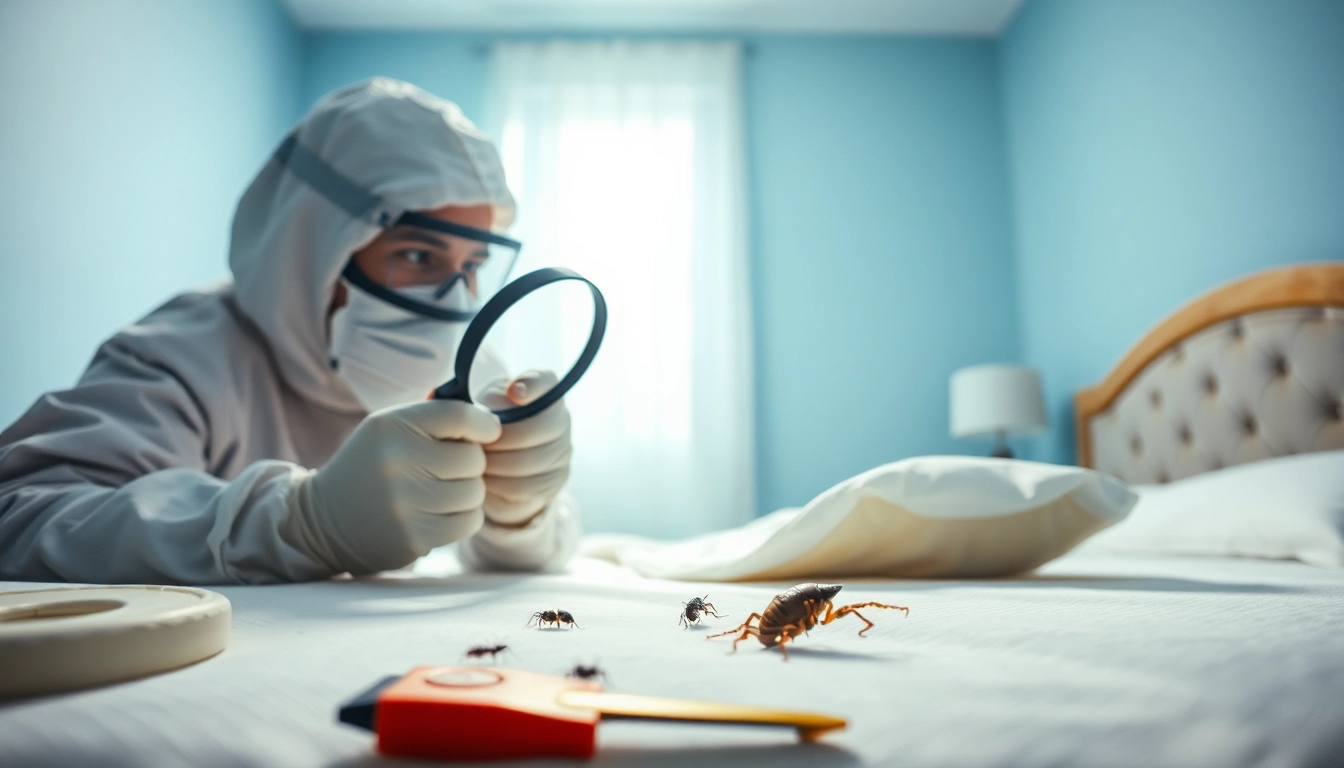
Understanding Bed Bugs and Their Habits
What Are Bed Bugs?
Bed bugs are small, elusive insects that belong to the Cimicidae family. Their scientific name is Cimex lectularius, and they are notorious for infesting human dwellings by feeding on blood. Adults are reddish-brown, flat, and oval-shaped, measuring about 4-5 mm in length, while their young, known as nymphs, are smaller and lighter in color. Known for their resilience, bed bugs can survive for months without feeding, making them particularly challenging to eradicate.
Signs of a Bed Bug Infestation
Identifying a bed bug infestation involves recognizing several key signs. Common indicators include:
- Bite Marks: Red, itchy welts often appear on the skin, especially in clusters or lines.
- Blood Stains: Small blood spots on bed linens or pajamas are a sign of bed bug feeding.
- Exoskeletons: As they undergo molting, bed bugs leave behind their translucent exoskeletons.
- Bed Bug Feces: Dark, rust-colored spots left on surfaces signal their presence.
- Unpleasant Odor: A musty smell, caused by pheromones secreted by bed bugs, can help detect an infestation.
Life Cycle of Bed Bugs
Understanding the life cycle of bed bugs is crucial for effective bed bug removal. Their life cycle consists of several stages:
- Eggs: Tiny, white, and sticky eggs are laid in hidden places, hatching within a week.
- Nymphs: These immature bed bugs go through five molts, requiring blood meals after each stage to grow.
- Adults: Once matured, they can reproduce and live up to a year, depending on environmental conditions.
Why Professional Bed Bug Removal Is Necessary
The Risks of DIY Treatments
While several DIY treatments exist for bed bug elimination, many are ineffective and can even exacerbate the problem. Home remedies often lack the potency needed to eliminate an infestation completely and can lead to issues such as:
- Spreading Infestation: Incorrect application of treatments might scatter bed bugs to new areas.
- Resistance Development: Overusing certain pesticides can create resistant populations, making future treatments difficult.
- Health Risks: Improper use of chemicals poses health hazards to you and your family.
Understanding When to Call Experts
It’s crucial to recognize when professional help is needed. If you’ve detected one or more signs of bed bugs and DIY methods prove ineffective after several attempts, it’s time to consider calling exterminators. Professional pest control services can assess the extent of the infestation accurately and apply targeted, effective treatments.
Advantages of Professional Services
Choosing professional bed bug removal services offers several benefits:
- Expertise: Trained professionals understand bed bugs’ behavior and biology, ensuring effective treatment.
- Advanced Techniques: Methods like heat treatment and chemical application are used based on the latest research and technology.
- Comprehensive Solutions: Professionals provide a full assessment and implement preventative strategies post-treatment.
Comprehensive Guide to Bed Bug Removal Techniques
Inspection and Identification
Effective bed bug removal begins with thorough inspection. Professionals utilize various techniques:
- Visual Inspections: Searching common hiding spots, such as mattresses, bed frames, and furniture.
- Use of Canine Detection: Trained dogs can detect bed bugs with remarkable accuracy.
- Monitoring Devices: Passive and active bed bug monitors can provide early detection in suspected areas.
Heat Treatment vs. Chemical Treatments
Two primary bed bug removal methods are widely used: heat treatment and chemical applications. Each has distinct advantages:
- Heat Treatment: Involves raising the temperature in infested areas to 120°F or higher, ensuring all life stages are eradicated quickly. This method is eco-friendly and reduces the need for chemicals.
- Chemical Treatments: Involves using insecticides targeted at specific life stages. It requires careful application and knowledge of safe pesticide use to avoid health hazards.
Preventative Measures Post-Treatment
Once bed bugs have been removed, implementing preventative measures is essential to avoid reinfestation:
- Sealing Cracks: Close any gaps or cracks in walls, floors, and furniture.
- Regular Inspections: Conduct routine checks for bed bugs or their signs.
- Protective Covers: Use mattress and box spring encasements designed to prevent bed bug entry.
Costs Associated with Bed Bug Removal
Estimating Treatment Expenses
The cost of bed bug removal varies significantly based on several factors. Homeowners can typically expect costs ranging from $200 to $1,500. The variability in pricing depends on the extent of the infestation, the treatment methods chosen, and the geographical location of the property.
Factors Affecting Pricing
Several factors can influence the overall cost of bed bug removal services:
- Infestation Severity: A more severe infestation generally requires more extensive treatments, increasing costs.
- Property Size: Larger areas or multi-unit buildings may require more time and resources to treat.
- Service Frequency: Ongoing treatments or preventative services may add to the total cost.
Insurance and Financial Options
Homeowners should check their insurance policy, as some may cover pest control services. Additionally, financing options might be available through pest control companies to help manage the cost of treatment, making it more accessible.
Frequently Asked Questions About Bed Bug Removal
What Are the Most Effective Ways to Kill Bed Bugs?
Heat treatment and targeted insecticides are among the most effective methods. Washing infested items in hot water or freezing items can also help eliminate bed bugs.
Can I Do Bed Bug Removal Myself?
While DIY methods exist, they often prove ineffective against an established infestation. Professional treatment is recommended for complete eradication.
How Long Does Bed Bug Treatment Take?
The duration of treatments can vary from a few hours for heat treatments to several weeks for chemical applications, including follow-up inspections.
Are Bed Bugs Harmful to My Health?
While bed bugs don’t transmit diseases, their bites can cause skin irritation, allergic reactions, and sleep disturbances, impacting overall health.
How Can I Prevent Future Infestations?
Preventive measures include regular inspections, sealing entry points, using bed encasements, and being cautious with secondhand furniture.