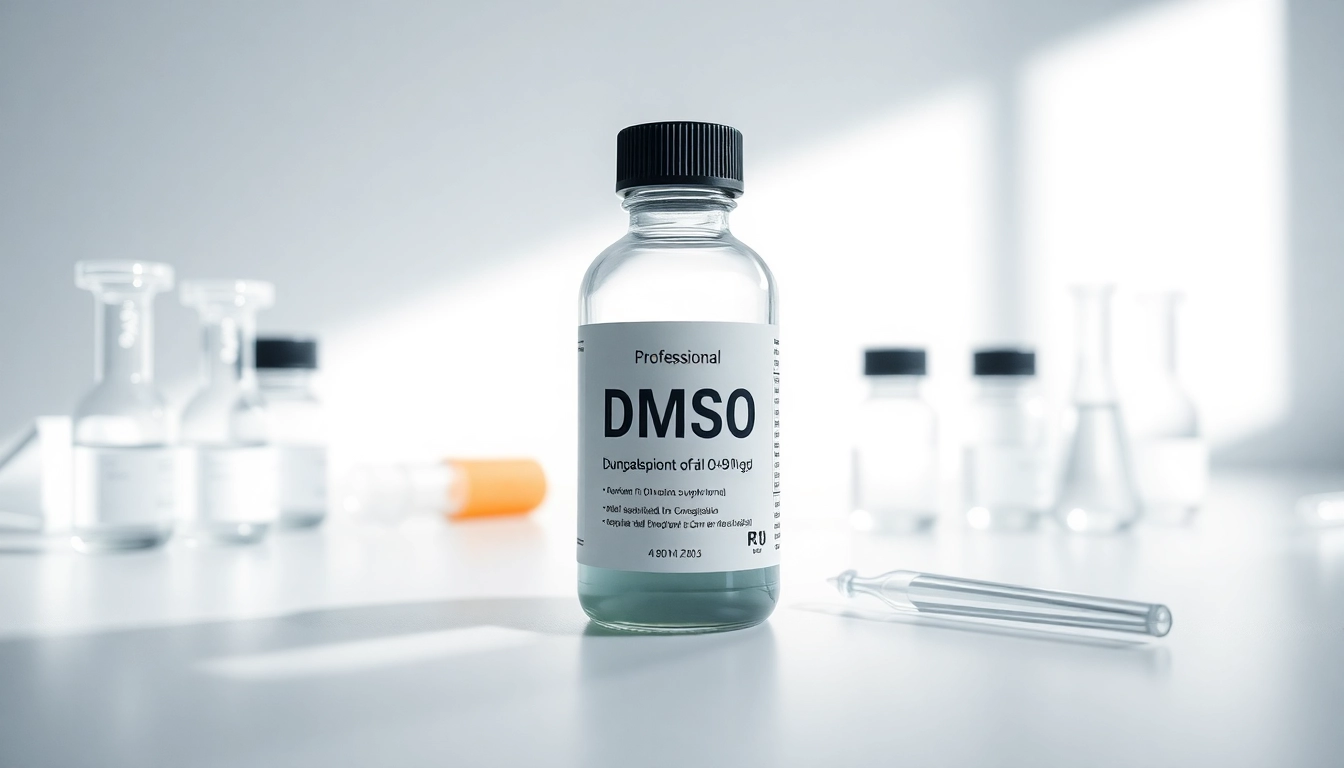
Introduction to DMSO Supplement
What is DMSO Supplement?
DMSO, or Dimethyl Sulfoxide, is a colorless, oily liquid that is highly polar and has versatile solvent properties. Originally discovered as a by-product of wood processing, its ability to penetrate biological membranes makes it a subject of interest for medical and therapeutic applications, especially as a dmso supplement. With a unique molecular structure, it is capable of dissolving both polar and non-polar compounds, rendering it useful in numerous formulations, particularly in pain relief and anti-inflammatory treatments.
History and Development of DMSO
First synthesized in 1866, DMSO's commercial importance surged in the mid-20th century due to its anti-inflammatory and analgesic properties. During the 1960s, it gained attention as a potential treatment for various medical conditions, leading to extensive research and FDA investigations. Despite early enthusiasm, concerns over its safety due to skin absorption led to regulated use, primarily in veterinary medicine and specific human applications. Today, DMSO is acknowledged as a valuable compound in both clinical and over-the-counter settings, particularly in supplement form.
DMSO Supplement: Chemical Composition Overview
Chemically classified as a sulfoxide, DMSO's structure consists of a sulfur atom bonded to oxygen and two methyl groups. This configuration contributes to its strong capacity to interact with other molecules, facilitating the transport of drugs through the skin and into the bloodstream. Notably, its role as a solvent allows for the combination with other therapeutic agents, enhancing their effectiveness. This blend of properties makes DMSO supplement a preferred choice among patients seeking alternative and complementary therapies.
Health Benefits of DMSO Supplement
Pain Relief Properties
One of the primary uses of DMSO is its effectiveness in providing relief from pain. Research indicates that it can significantly reduce discomfort associated with conditions such as osteoarthritis, muscle strains, and sports injuries. The mechanism by which DMSO alleviates pain involves its anti-inflammatory effects, helping to minimize swelling and promote faster recovery. Patients often report a notable improvement in mobility and a decrease in pain levels post-application, making it a sought-after option for natural pain management.
Potential Anti-inflammatory Effects
DMSO's anti-inflammatory properties are attributed to its ability to inhibit the production of inflammatory mediators within the body. By reducing these mediators, patients can experience decreased swelling and inflammation, making it beneficial not just for joint and muscle injuries but also for conditions like rheumatoid arthritis and fibromyalgia. This effect positions DMSO as a potentially safer alternative to over-the-counter NSAIDs and other pharmaceuticals with considerable side effects.
Uses in Joint and Muscle Health
DMSO is increasingly being recognized for its supportive role in joint and muscle health. Through topical applications, it can penetrate directly to the affected areas, delivering prompt results in pain reduction and inflammation control. Additionally, it facilitates the absorption of nutrients and medications in joint tissues, enhancing overall health outcomes for individuals suffering from chronic joint pain or muscle stiffness. As a result, athletes and fitness enthusiasts often turn to DMSO supplements to expedite recovery times after intense workouts.
How to Use DMSO Supplement Effectively
Recommended Dosages for Adults
For effective results, the recommended dosage of DMSO varies depending on the application and individual health needs. Typically, doses range from 5% to 70% solutions, with recommendations suggesting that users start at the lowest concentration to assess tolerance. For topical application, about 1 to 3 teaspoons directly applied to the affected area is common. However, consulting with a healthcare professional before beginning use is essential to personalize dosages and avoid possible interactions.
Application Methods and Techniques
Several methods are available for applying DMSO supplements. The most common is direct topical application, where the solution is massaged gently into the skin. Some users prefer using a spray or roll-on applicator for convenience. It's important to cleanse the skin before application to enhance absorption. Additionally, incorporating DMSO with other therapeutic agents—like essential oils or medications—can bolster its effectiveness, although care should be taken to ensure no harmful ingredients are present.
Combining DMSO with Other Treatments
DMSO's ability to enhance absorption makes it an ideal candidate for combining with other treatments, such as anti-inflammatory medications or natural supplements. However, caution is necessary to ensure that the combinatorial approach does not lead to adverse effects. Procedures should always be guided by a healthcare provider who understands the patient's medical history and the suitability of combined treatments.
Safety and Side Effects of DMSO Supplement
Common Side Effects to Watch For
Although DMSO is generally well-tolerated, some users may experience side effects. Commonly reported reactions include skin irritation, redness, or a burning sensation upon application. Users might also notice a garlic-like taste or odor. In rare instances, more severe reactions can occur, including allergic reactions characterized by swelling or difficulty breathing. Monitoring for side effects can help users make informed decisions about continued use.
Who Should Avoid DMSO Supplement?
Certain individuals should avoid using DMSO supplements, particularly those with a known allergy to sulfa drugs, pregnant or breastfeeding women, and those with specific health conditions such as liver disease. Additionally, children and individuals undergoing surgical procedures should consult with a healthcare professional before use. It's crucial for patients to discuss their history and any medications they are currently using to prevent possible interactions.
Long-term Use: Safety Considerations
Long-term safety of DMSO supplementation remains a topic of study. While many users report positive outcomes, prolonged use over months or years should be approached cautiously. Regular check-ins with healthcare providers are crucial for monitoring any potential adverse effects. Furthermore, as DMSO can facilitate the absorption of other substances, it is essential to be aware of other products used concurrently and their safety profiles.
FAQs about DMSO Supplement
What is DMSO supplement used for?
DMSO is used for its pain-relieving properties, as well as to reduce inflammation in several conditions. It has FDA approval for treating interstitial cystitis and is often recommended for arthritis, muscle injuries, and sports-related pains.
Are there any risks associated with DMSO?
While generally safe, DMSO can cause side effects such as skin irritation and allergic reactions. It's important to use it under medical supervision, especially if you have existing health conditions or are on other medications.
Can DMSO supplement be used for pets?
Yes, DMSO can be used for pets, particularly in treating injuries or inflammatory conditions. Consulting a veterinarian for proper dosage and application is crucial to ensure the safety and well-being of your pet.
How does DMSO supplement interact with medications?
DMSO can enhance the absorption of other medications, which may increase their potency and the risk of side effects. It’s essential to discuss potential interactions with a healthcare provider before combining treatments.
Is DMSO supplement effective for chronic conditions?
Many users find DMSO effective for managing chronic conditions such as arthritis and tendinitis. However, individual responses may vary, making it important to consult a healthcare professional for a tailored approach.